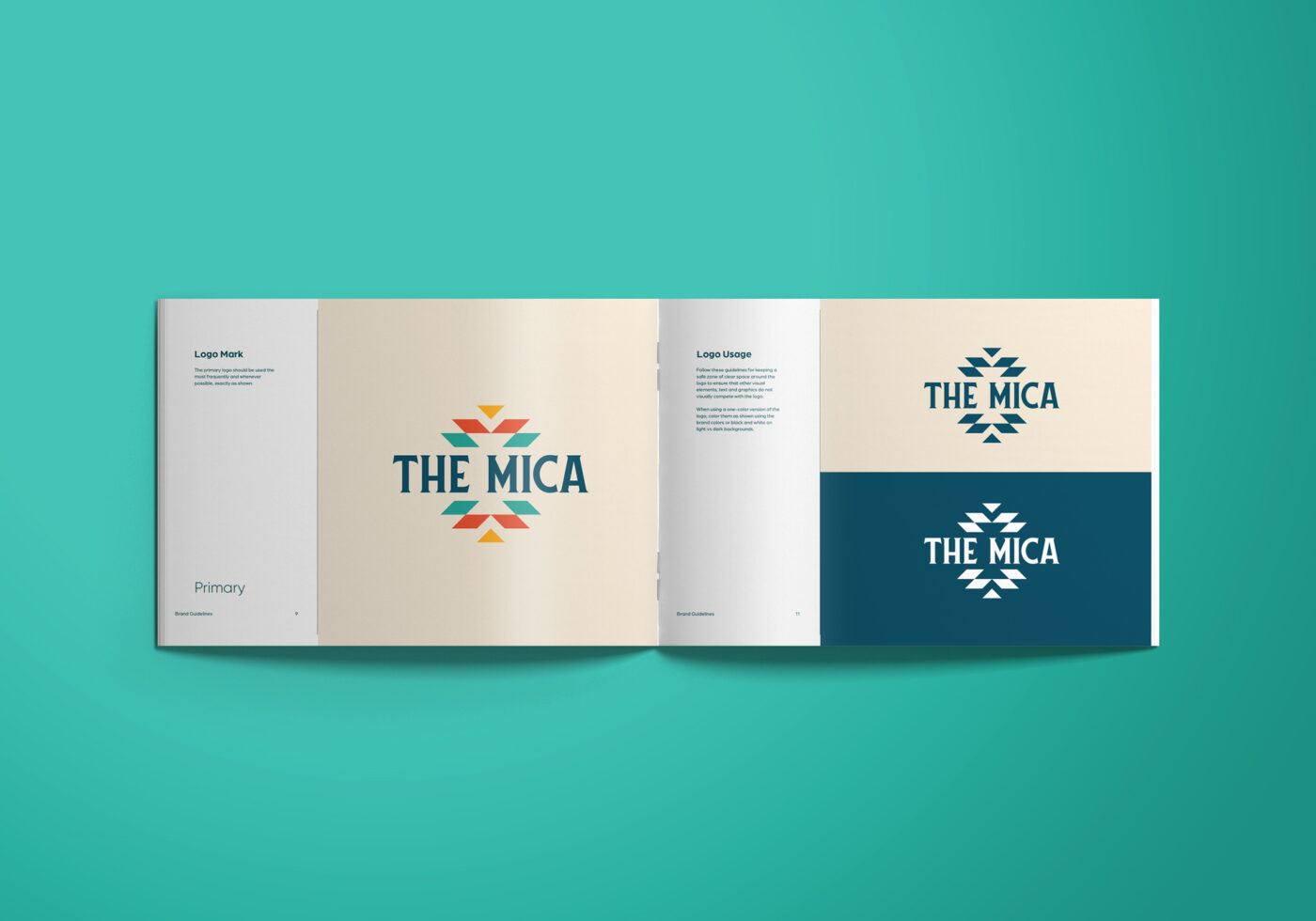

Apartment Logo Design Best Practices

Designing a logo for an apartment community is vital to getting the visual part of your branding dialed in. The key is to make it good. But what does a good logo look like? What goes into the process of creating an effective multifamily logo? First, we’ll clear up some misconceptions around logos, then we’ll identify logo types and show you how to put your logo to the test to make sure you’re hitting the target with your next apartment logo design. (Or redesign!)

Logo Myths

MYTH 1: DIY IS EZ

With the advent of Canva and now Adobe Express, it feels like anyone can be a designer. That’s a little bit different from saying everyone can design something. When we hear apartment community managers say, “We can design it in-house” but they don’t actually have a designer, we get a little concerned. Putting text over a photo or selecting different colors or “move to back/front” layering actions are more accessible than ever. But will that apartment logo design look good? Will it stand the test of time? Even the logos that seem super simple are complicated in terms of design rules and what looks best. Heard of the golden ratio? Do you know what kerning is? Use a professional to get professional, longer-lasting results for logo design.


MYTH 2: MY FAVORITE COLOR IS THE BEST OPTION

You’re not your brand. So your favorite color could never…well, not never, but shouldn’t always be representative of what your brand is. Color theory is helpful in creating something that will stand out, and will align what you’re saying with what your residents are seeing. Think about what colors would make your residents feel. Class? Warmth? Elegance? Vivacity? (More on color usage in a bit.)


MYTH 3: FONTS ARE WHATEVER

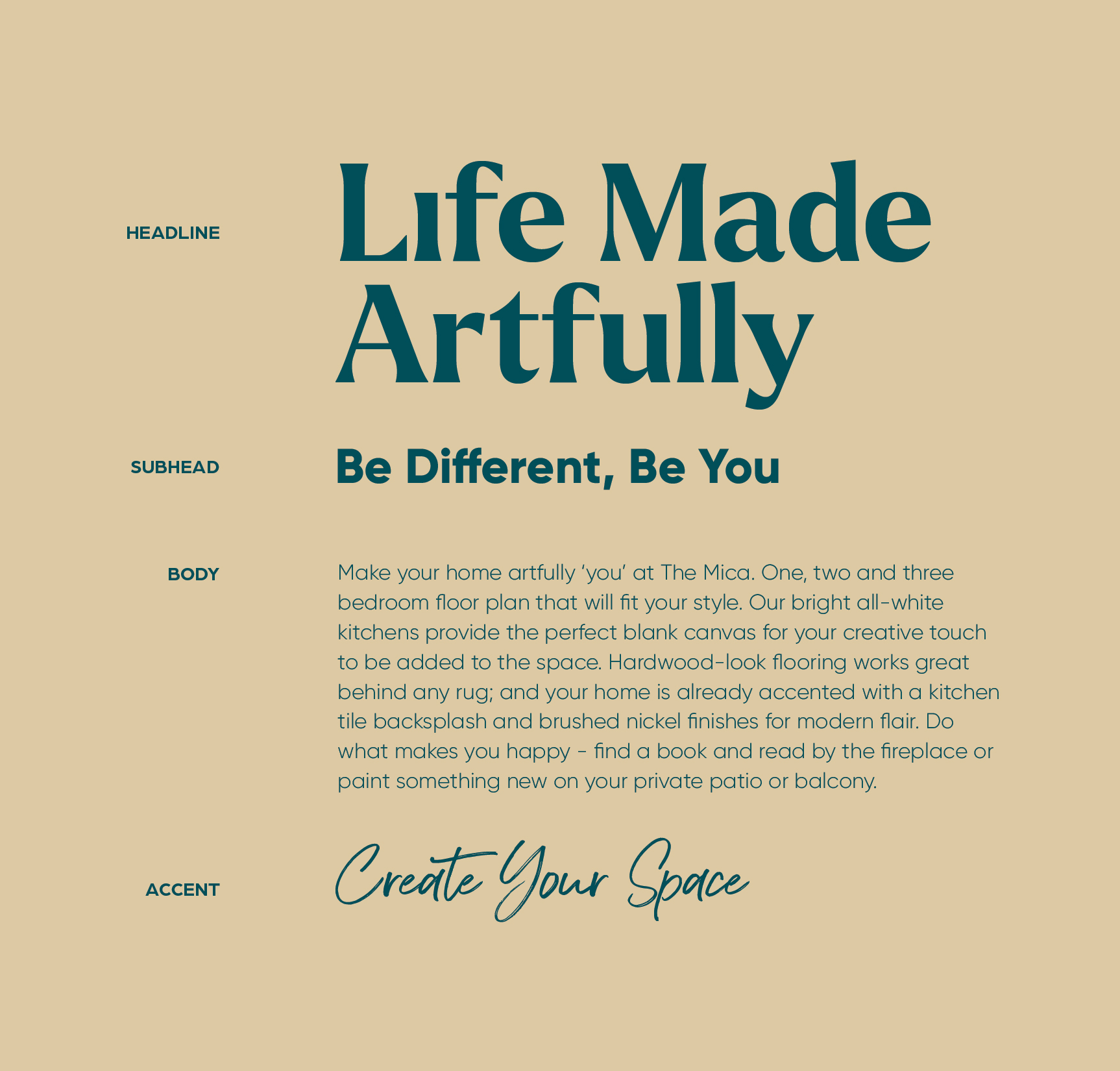
Font Psychology. Subliminal messaging. Emotional connection. Fonts are so not whatever. They are crucial to connecting the dots for your residents. Legibility and keeping with your brand’s personality are crucial to keeping your brand cohesive in its visual aspects to go with its verbal aspects (messaging and content). Beyond this, you’ll also have to figure out what kind of typography casing to use for your brand name when you’re in the midst of apartment logo design.

MYTH 4: I HAVE TO PORTRAY MY BIZ EXPLICITLY IN MY LOGO

There’s no rule that says you must show what your company does in your logo. You can if you want, but: Your name might hint at it. Your colors may give it away a bit. Maybe your font suggests some ideas about who you are and what you do. It’s okay to use your name and build your community brand so that your prospective and current residents know who you are without those added hints. Think: Saks Fifth Avenue. There’s not a shopping bag in sight in that logo. Not a clothes hanger. No hat boxes. Zero shoes. But people know what they do. You’re allowed to keep your logo simple. There’s no rule that says if you’re a flower company you have to dot your “i” with a daisy. Cute, but not required. Or maybe you have an image stand in fully for your logo. That happens, too.

Logo Types

Logo-Types_Apple

IMAGE MARKS

Take an image of something and super simplify it—now you have an image mark. Apple is a good example of this. They don’t even need their name on their products anymore.


Logo-Types_Pepsi

ABSTRACT MARKS

Take a big idea and boil it way down. Make it into something representative of that idea—but don’t use an actual recognizable object. Voila! An abstract logo mark. Pepsi has one of these—started one way and started getting boiled down over the years.

Logo-Types_Saks-Fifth

WORD MARKS

Remember Saks Fifth Avenue? There’s nothing to it besides a scrolly, swirly script that overlaps with itself. No pictures. Simple as that. If you consider a script font, simple, I guess. Another big one? Facebook. No symbol. Just the word in a very particular typographic style. Instantly recognizable. A bonus point for facebook: They could put just an “f” on a blue square and folks know what it is.


Logo-Types_Burger-King

BADGE MARKS

The word and the image are one—image and brand name work together to create one thing: a badge. Burger King craftily combined their name with a bun—their name is the meat. These are tricky to do, but simplifies things when you get to creating branded gear—really only one option and it covers all your bases.

Logo-Types_McDonalds

SYMBOLIC LETTERFORMS

That “F” from Facebook is a type of symbolic letterform. That’s when a letter is stylized and designed to convey a certain message—McDonald’s “M” is another example. Those golden arches can be spotted miles away. Think what that could do when you bring that energy next time you’re designing a logo for an apartment community.

SMART LOGO EXAMPLES

Some brands had logos designed that contain hidden messages or meanings that aren’t apparent at first glance. 

  • FedEx has an arrow.
  • Beats by Dre—is a “B” but also depicts a profile of headphones on a head. What?!
  • Amazon has an arrow that runs from A→Z. Which feels fitting.

Not every brand needs to come up with something this clever, but we’d be remiss if we skipped over these awesome examples of simplicity combined with smarts in logo design.

Test a Logo Design

Designing a logo for apartment community isn’t one and done—it takes time and tests:


LOGO TEST #1: SIZE

Make it small. How does it look? Make it big. How does it look? Is everything still sharp? Readable? Identifiable? You’ll need to be able to resize your logo without losing the overall clarity or making things unreadable.

LOGO TEST #2: BLACK AND WHITE

This is a structure and shape test. How does it look when it’s black and white? Can you still recognize it? Does it still look pretty good in black and white? Some designers even start with the design phase in black and white for better overall visual alignment before they introduce color. Color cannot save a bad design. An additional bonus: Your brand guidelines will likely call for a one-color logo, so you might as well have it handy anyway! (Bonus: if you’re ordering swag, it’s cheaper in one-color.)

LOGO TEST #3: VERSATILITY

Can this logo go on everything—absolutely everything—and still look good? A hoodie? A brochure? A hat? A sign? A photo overlay? Think of every possible brand asset and make sure it will work—easily. Having a variety of logo marks also helps: type only, logo mark only, and a combo.

LOGO TEST #4: FEEDBACK LOOP

Ever stare at a word so long, it starts to look misspelled and weird? Designing logos for apartment communities can have that happen, too. Bring in the feedback loop: test it with a small audience to get opinions and fresh eyes on it. They’ll see things you don’t—we promise.

Bottom Line with Apartment Logo Design

THE WORTH OF A LOGO

Logo design is not the place to cut your budget. Find a good designer. Look at brands that inspire you. Create a logo that will last and will complete your brand: not as the foundation, but more like glue, bringing it all together in one tidy package to show who you are visually. A professional designer—like zipcode creative—can do exactly that. If your goal is to market your communities well and lease up your building, apartment logo design should not get the short end of the stick. Give it time, give it energy, give it attention.


Beyond that: You’ll have to look at it every day. Make it pretty. Make it good.

Using Storytelling in Multifamily Branding

We’re all for using storytelling in multifamily branding. So many brands (beyond apartment communities) are already focused on telling a compelling story to connect with their audience emotionally. Maybe this is through the brand’s history, values, or mission, through a marketing campaign, or by highlighting the people behind the brand. But the multifamily branding market has so many good stories to tell; it’s time to put them front and center. 

 Let’s start designing brands with better storytelling as a focus (to help prospective residents visualize living at your community). But how? A couple of different ways:

Identify Your Audience

THE AUDIENCE MATTERS

Think of it in terms of telling a joke. You have to know who you’re talking to, and what they’ll understand—generationally, culturally. As for content and brand voice, think through their problems. Their fears. Their goals. Their desires. Bonus points if you can think forward to desires they don’t even know about yet.

REACH YOUR IDEAL RESIDENT PROFILE

Build up your appeal visually and in your content: Apartment branding should speak to the community’s Ideal Resident Profile (IRP) both with voice and visuals. But who is that?

The IRP is determined based on data driven target audiences, user personas, and current resident demographics to identify the ‘who’ your branding is appealing to. Remember: The IRP doesn’t have to be one type of person, it can identify multiple people or have variations of a persona. The IRP shouldn’t exclude or discriminate against any protected classes, but rather it paints a picture of who is most likely to become residents at a given community.

You’re Not Selling Units, You’re Selling a Feeling

Think through what tops the list of your residents deepest desires. When you determine that, you can write a story that solves the problem, offers a solution, or satisfies those deep desires—all emotional benefits alongside your very real, tangible offerings of homes and apartments and community. Bottom line: Serve, don’t sell. Or, if you must “sell”—sell a feeling.

Here’s what we mean:

EXAMPLE
Allison leases a two-bedroom apartment. But actually, she’s leasing her first home away from home. But then, she’s leasing a space to offer guests when they visit her. She’s also leasing the feeling of joy in hospitality. And maybe she’s leasing some sense of independence when she buys things to make her apartment feel homey. Or the independence that only comes from leaving home, knowing that she’ll find community in the welcoming neighbors surrounding her.

The example above included zero amenities. And certainly not in a list format. Sure, amenities could be part of another story, but this one is one of independence. Branding should be so much more than looks and descriptions of amenities—it’s knowing your audience and serving their wants, needs and desires. Now, how to do it.

Storytelling Techniques

IDENTIFY KEY ELEMENTS

Of the brand story, that is. Think of the “we’ve always done it this way” crew—challenge it. Figure out what issues surround things staying the same. Figure out a way to work around it and re-work it completely, to the benefit of your residents. Now you’ve just identifies the key elements of a brand story:
1) Status Quo
2) Conflict
3) Resolution

CREATE A NARRATIVE ARC

If you want to get a little more literal, we can go by the book:
Exposition. Rising action. Climax. Falling Action. Resolution. Happily Ever After.

You get the picture. Think of using storytelling in multifamily branding more in terms of books or movies. Set it up (but not for too long), create a sense of urgency, hit them with some intensity or problems, bring it to the heights, and then resolve (obviously with your community as the solution).

STORY TYPES

Not every story is for every audience. But there are four main story types you can use to reach your audience. Each one serves a slightly different purpose:

Value – This tells the story of what your community offers to a future resident; how it will change their life.
Founder – This tells the story of the company’s beginning—who started it, who’s running it (makes it personal)

Purpose – This is the “big meaning” you portray, and helps bring your staff/company together around values.

Customer – This is what it means to a specific resident that found your community and is now living their best life—thanks to your multifamily community.

Use these four types for bringing storytelling into multifamily branding—and portray your brand through and through. In fact, one of the questions we suggest you ask yourself before a rebrand is: “Are we telling the right story—the story we want to tell?”


BRING THE STORY TO LIFE

Details are your BFFs for this. You need to bring in these four pieces of detail that will get ‘em every time:

  • Specific, relatable characters
  • Real emotions
  • Specific time or moment
  • Imagery and descriptions

Without these details, your story doesn’t feel quite real. Add in details to paint the picture you most want to convey and your audience will “get it”. Especially if they’re an audience you’ve already identified…

Why Storytelling Works

SHIFT THE FOCUS

Storytelling in apartment branding is a different approach. It’s a mindset shift.
You’re not leasing vacant units, you’re ______________

  • Providing a fresh start for a young professional
  • Opening doors of stability for a young family
  • Creating a sense of independence for a student
  • Surrounding the oft-lonely with community

USING STORYTELLING IN MULTIFAMILY BRANDING

Where should you use these stories—and how is it woven through your brand? Brand storytelling can be key to your marketing efforts, but you have to be consistent:

  1. Build Trust – through honesty and behind-the-scenes stories
  2. Don’t Sell – solve problems instead
  3. Identify Value – show them how you make their life easier
  4. Paint a Picture – give them an idea of what it would be like to live there!

Conclusion

If you’ve gotten this far and you’re still asking: What is the point of using storytelling in multifamily branding? 

It’s to connect. To make things real. To be memorable. To rise above the competition and offer something of substance—not just things, but feelings.

Font Psychology and Identification for Apartment Brands

While selecting fonts many seem like a straightforward, easy choice, the opposite is true. Typefaces an integral part of any design, making them a decision that needs to be made with thought and care. But with hundreds of thousands of fonts to choose from, it can sometimes be a daunting choice. How do you choose the best font to convey not only your message but also more about your brand? Learn more about font types, font psychology, and how to pick the right font for your apartment marketing design.

What is Font Psychology?

Each font and typeface conveys a message—whether you intend it to or not. Subconsciously, your reader will draw conclusions about you and your brand just from your font choice. Choosing fonts strategically based on their innate characteristics can help you hit home your message even more clearly. 

Certain font families are associated with certain traits, which can help you narrow in on your choice.

Serif

Serif fonts are defined by the small stroke attached to the end of the larger stroke in each letter. Commonly used serif fonts include Times New Roman, Georgia, and Garamond. These fonts are considered quite traditional and tend to convey a more formal tone. They are also associated with sophistication, trustworthiness, and respectability. 

Serif fonts are often used in long-form text like books, magazines, and other printed materials because they help improve legibility—especially in smaller font sizes. They may also be used in more creative assets, like brand logos, that align with the fonts’ traits. 

Sans Serif

Sans serif fonts are those that do not have serifs, the small stroke attached to the ends of each letter. Common sans serif typefaces include Arial, Helvetica, and Calibri. These fonts have a more modern aesthetic and are considered more straightforward, efficient, and simple. 

Sans serif fonts are more common in web-based and digital assets, like websites, blogs, social media, and PDFs. It’s also best for spaces where there is short copy, like a headline, subheadline, or caption. Like serif fonts, they are also often used in branding elements like logos. 

Script

Script fonts are designed to mimic cursive handwriting. They are usually more fluid, with letters connecting in elegant strokes. This sophisticated style is often associated with creativity, whimsy, and happiness. 

Because they are harder to read at a glance, script fonts should be used sparingly and only in places where there are short lines of copy, like a headline or tagline. They have also become popular for brand logos because they stand out easily.

Decorative

Decorative fonts are very unique and were originally designed for advertisements like posters. These typefaces were designed only for decorative purposes, so like script fonts, should be used sparingly.  Decorative fonts, like Cooper Black or Gazpacho, are original, quirky, and fun compared to the other font types, making them perfect for headlines, titles, and logos

How to Choose the Right Typeface

Understanding the different font types and what they communicate is important to ensure you can choose the font that fits your brand. It also allows you to more effectively partner with your graphic designer or creative agency partner when making font choices. 

Serif, sans serif, script, and decorative fonts all have a time and a place based on the message you want to portray and the audience you’re speaking to. When choosing a font, ask yourself the following questions:

  • Does this font match my brand’s spirit and personality? 
  • Is the font legible and easy to read?
  • How many other fonts will this be mixed with?
  • Do this font’s traits align with my audience’s? 

Answering these questions can help you narrow down the right font for every situation. But if you’re feeling unsure, a seasoned creative agency like zipcode creative can help you identify the fonts that are the right fit for your brand and ensure that you’re mixing and matching them in the best ways to bring out your personality and resonate with your audience. Font selection is always part of our brand style development process!


Better Apartment Branding – The Old vs The New Way

Better Apartment Branding Should’ve Happened By Now—Why Hasn’t It?

Better apartment branding should’ve happened by now—why hasn’t it gotten there yet? First, there’s confusion over brand versus identity. That means there are entirely different schools of thought around how to actually “do” branding. Second, there’s an old way—think Mad Men—and there’s a new way—think Google—which thrives on creating hyper-successful solutions that its consumers will come back to again and again. Drawing in, calling, beckoning in, instead of reaching out, hoping for a bite.

Yet, some are stuck in the old way. Because it used to work. It’s true that some of us are still out here going, “What makes a good apartment brand?” 

Let’s dive in.

The Old Way of Apartment Branding

TOUCH OF VISUAL BRANDING

Mad Men had a whole creative team that worked on things that were advertisement driven. The logo. The colors. The fonts. The brand was relegated to become only the visual identity. (We will say: Don Draper did manage to get some more depth into some of the brands.) Once the visual identity was determined the marketing was considered done.

SUBPAR WEBSITE

With the onset of the internet, websites began popping up for different brands. They were pretty terrible at first. And some are still stuck in that Times New Roman, poor photo quality, sharp gray gradient box pop up style, with no thought about user-friendliness or mobile-responsiveness or aesthetics!. “Just get the info on there and it’ll be good enough.” Not quite.

ADVERTISE AT ALL COSTS

Print, radio, TV ads—they all cost a pretty penny. And not every company has the advertising budget to even try to touch the competition. Just imagine if you freed up a percentage of that advertising budget for something else!


THE SHORT OF IT:

Advertising only works well today if you’ve already built an audience. Yet, so many apartment communities are still stuck in this old way—with bad websites and only a logo, fonts and a color palette to show for their entire brand. There are many things an apartment logo can’t do for your brand. Work towards freshening up your apartment branding approach. Go new school.

The New Way of Apartment Branding


DETERMINE OBJECTIVES AND VALUES

“Start with why” – Simon Sinek’s golden circle marketing theory isn’t about making a profit. Instead It’s why you got into the business in the first place.

Why→ Make every day living luxurious.)  

What→ Provide a community for young professionals that’s elegant and easy

How→ Build a brand that echoes elegance from every corner, from fabric choices to font choices to new staff onboarding.

From the inside out, you have to drive your apartment community branding with values. Add in work on your mission, your vision, and get everything else built on that—or it will all crumble. Start. With. Why.


GET YOUR IDENTITY TOGETHER

Sometimes brands come to us and ask us for copywriting help, but they don’t have their identity together—this is like baking without a recipe. You might get something good, but unless we’re taking notes along the way, it won’t be replicable, and it might not be what you expect!
Do yourself (and us) a favor, and work towards getting your identity tidied up. We’re talking: voice, name, logo, colors, fonts, images—anything that can identify you. Get it squared away.
In fact, creating a brand identity is step #1 (of FIVE!) in Masterclass’ brand marketing guide


ATTRACT THE RIGHT RESIDENTS

After your identity is determined, work toward:
Brand Awareness: creating an ideal resident profile helps with that

Brand Positioning: figure out why you’re different from the competition and *work it*

Telling Your Brand Story: we love a brand we can connect with!
and 

Brand Loyalty: your loyal residents can be your best bit of marketing—they’ll tell their friends and leave good reviews, helping boost online perception, too.


THE SHORT OF IT:

Better apartment branding (“new school”) is focused on making awareness the top of the sales (or leasing) funnel. When you build up your organic audience (residents in this case) before you go to market, you get to spend less on advertising. Go for inbound marketing—create content your audience wants, and draw them in. Get on social media to be accessible, to entertain, build awareness and brand recognition, and build up your audience. And when you launch your new community, it will already be in front of the people you most want to target.

Better Apartment Branding Now

GET CLEAR ON IDENTITY VS. BRAND

Let’s explore a little phrase. When someone says “well that’s on brand for them” it means it lines up with what they know to be true about the company or about the person—it was expected. Their name is their identity. But: It’s not 100% who they are—that comes in with how they act, what they put forth, what they embody and value. Brand is the part that draws your ideal residents in, particularly around mission, vision, values. Creating these helps make your brand you, because you’ve started from the inside, out. (Remember the golden circle that starts with “why”?) 

  • Your brand is your tagline (identity described) actually played out!
  • Your brand is the reason you’re the top choice—not just a different option.
  • Your brand is the feel, while identity is only the look.


MORE THAN LOGOS

Logos do not equate to brand. It’s part of the visual identity. A logo is one tool in your entire branding toolkit. One part of…

BRAND DEVELOPMENT

One of our favorite things at zipcode! Strategy within apartment brand development is everything when it comes to marketing multifamily communities. You get to build trust, pride, and feature your favorite parts of your apartment brand. Research your audience (create that ideal resident profile) and take a look at the competition. Get your mission, vision, and values lined up. Tell your story. Make things pretty (we can help with this, 100%). Assess everything. Track all your marketing moves.

Hey, visual identity folks: Eyes up here—start branding with your heart and everything will get a little better.

AI Copywriting for Apartments is Only for Zero Dollar Budgets

AI copywriting for apartments sounds intriguing, doesn’t it? Ah, think of all the money we could save. And that’s where the savings end. Sure, you may save money on the copywriting, but what are you sacrificing? 

We dug in and tried out Chat GPT for you, testing out its AI copywriting for apartment branding. The verdict: It’s missing key pieces of the puzzle; particularly in spaces where you need to stand out from your competition and actually differentiate your apartment community’s brand from your competitors.

In Terms of AI Copywriting for Apartments, Here’s What ChatGPT Did OK

WEBSITE AND BROCHURE COPYWRITING

It responded with a grammatically correct listing of exactly what we asked. It didn’t forget to add any of the amenities we asked it to include. And…that’s mostly it. It’s cookie-cutter, but it gets the job done. If you want anyone to actually read the copy, try to avoid ChatGPT. It won’t win any branding awards with its lack of personality and brand voice. If you’re looking for filler, and you have a zero-dollar budget for your B-C and below communities, hit up ChatGPT.

This is Where ChatGPT Fell Short

COMMUNITY NAMING CONCEPTS

Every option it came up with was super basic. Not in a cute way. There was no depth and there was no originality. It gave us vanilla, surface-level, boring apartment brand names—and there would be no way it could identify overlapping ideas to strengthen the rationale behind any name it suggested or offered. It spat out the naming concept “Prairieland” because the state the apartments are located in is known for its grassy fields. Good one. (Not.) Could be a good starting point if you’re completely missing inspiration and need to show up to a brainstorm later that day.

If you hire a non-robot copywriter at zipcode, we look for unique names (so you don’t have to go into any major trademark battles) that actually mean something to your company and to your ideal resident. Speaking of ideal residents…

IDEAL RESIDENT PROFILE

IRP—also known as your customer avatar in the multifamily industry—this was an interesting concept for our little robot friend. The research felt limited and its generic and typical responses told us that this was not the way to create a resident profile that would be useful in any part of apartment marketing. The tip off? There was zero personality and very few details. Without those two pieces, you don’t get to dive into decision-making processes and pain points for your IRP (and create content that speaks to and solves those pain points). We will say: it managed to give relevant—albeit average—demographic info when we asked, so you could start there.

If you hire a non-robot copywriter at zipcode, we go whole hog on the IRP—indicating every detail that could help you better make a marketing decision. And: we can do more than one. Empty Nesters? Nailing it. Young Professionals? You got it. We’ll cover the deets, and then some, so you can feel confident in your next apartment marketing campaign.

APARTMENT BRAND VOICE AND TONE

This was the biggest gap in Chat GPT’s AI copywriting for apartments. We asked for a “western chic casual” brand voice. There wasn’t a hint of personality or brand voice or anything that remotely resembled a casual vibe or western wording. The only idiom it included was “And the cherry on top…” While widely used and understood, it’s not western in the least. Or chic. This doesn’t make us want to saddle up and ride into the sunset with this robot. You’d think this would be easy enough to deliver on with related words, access to thousands of synonyms on the world wide web, but it couldn’t quite get it right. It even took our prompt words “western chic casual” and dropped them in the response—as if we wouldn’t notice. For this, consider using ChatGPT to create a rough draft that you can later inject with your brand’s personality and voice at will on your own.

If you hire a non-robot copywriter at zipcode, we’ll nail the brand voice and tone every time. We like to dial it in—literally—to find where you land in the spectrum of several personality traits. This informs how we write every piece of content for you. Sophisticated or silly? Cutting edge or classic? If you’re like most of our brands, you’re always somewhere in the middle. This is a nuance that robots just can’t compute. Not yet, at least!

The Proof

Just to prove we’re not being salty, here’s the prompt we submitted and Chat CPT’s response when we tested its copywriting chops.

OUR CHATGPT PROMPT

Write a summary in a western chic casual brand voice and one of dog friendly, 1 and 2 bedroom apartments in Fort Worth, TX that have amenities such as wood-look floors, quartz countertops, white shaker cabinets, a pool, fitness center, co-working space, and are within walking distance to the stockyards.


THE CHATGPT AI RESPONSE

“For our western chic casual brand, we’ve got the perfect spot for you in Fort Worth, TX! Our 1 and 2 bedroom apartments are not only dog friendly, but they also come with top-of-the-line amenities like wood-look floors, quartz countertops, and white shaker cabinets. Plus, our complex features a pool and fitness center for all your exercise needs. And if you’re in need of a place to get some work done, we even have a co-working space available. And the cherry on top? These apartments are within walking distance to the historic stockyards. Don’t miss out on this opportunity to live the ultimate chic, western lifestyle.”


ChatGPT is honestly pretty cool and impressive. AI has come a long way. But human copywriting is, so far, superior. And copywriting for apartment brands at zipcode creative is our (totally biased) favorite. Definitely recommend.

Apartment Branding – What Makes it Good?

Developing good apartment branding is just like creating a solid relationship—it takes time, trust, and effort. While you can create a beautiful logo, eye-catching website, and other impressive marketing materials, developing strong bonds with your target residents should always be your top priority. Keep reading to learn more about how building a strong apartment brand is like a relationship.

Be Trustworthy and Honesty

A solid reputation is everything to an apartment brand. And the only way to develop a stellar reputation is to be trustworthy and honest at every turn. It’s important to never overpromise and underdeliver. Instead, you should always be true to your brand, your services, and your level of quality when communicating with residents and prospects. 

Over time, this will help you build a high level of trust and confidence with your audience. Instead of second-guessing or feeling skeptical, residents and prospects will know that you stick to your promises.

Be Consistent and Clear  

Consistency is key when developing any brand. The reason that customers know and love certain brands is because they know exactly what to expect. 

In N Out Burger, for example, always tastes the same—which is why customers come back again and again. They can rely on the high quality of the food and the overall experience; the brand always behaves in a way they understand and expect.

It’s important to create that same consistency within your apartment community. The level of customer service, aesthetics of your apartments, and dedication to quality should always be at the same high level so every customer, resident, and prospect receives the same experience. 

Share Your Beliefs and Values 

Help people connect with your brand on a deeper level. Sharing what drives you and what you’re passionate about can help prospective residents and partners more interested in what you have to offer.

Defining your vision, mission, and values at the very beginning of your brand building is integral to creating a strong brand. This helps to ensure that you’re not only creating a product that prospects will love, but also one that they can understand and feel good about supporting. Include your brand statements, like values, on your website, and in your brochure to make them easily available for your residents, staff, and prospects. That way, they’ll know what you stand for from the start. 

Be Considerate, Listen, and Anticipate Needs

Friendships are a two-way street—and developing a strong brand is the same way. You need to understand and listen to your resident’s needs and help deliver exactly what they’re looking for. To go above and beyond, you can even anticipate their needs before they do themselves. For example, if you live in an area with a lot of young professionals, a business center or resident lounge would be the perfect place for those working from home. Offering this amenity ahead of resident demand shows that you’re considerate of their wants and needs. 

Good apartment branding is also judgment-free and supportive. Offering equal opportunities to housing for all is vital to creating a strong brand that sticks to its values. 

If you need help creating apartment branding that resonates trust and reliability and are looking to create beautiful, consistent marketing materials, a seasoned creative agency could be the right partner for your community. At zipcode creative, we have worked with countless communities to help them not only create their visual branding, develop marketing materials, and establish effective strategies, but have also helped them gain—and maintain—the trust of their target audience. Reach out today to learn more! 

2023 Apartment Branding Trends

Your crystal ball just called! These 2023 Apartment Branding Trends are must-haves for your multifamily community’s future branding and design choices. Take the zipcode creative trend challenge, and pick 3 to work on this year!

#1: Storytelling

Get ‘em right in the feels. A well-written story connects to your audience on an emotional level—and they can start imagining themselves in place of “Kara, 29, with a dog and a marketing job who found the perfect apartment to make friends and build community.” Try sharing your brand’s history, values, and mission through every channel you can: social media, email campaigns, even print brochures. Residents can smell a sales pitch a mile away, so resist that urge, and beckon them in with a hint of “Once upon a time…” When apartment brands tell a story, they can count on getting a rapt audience. Not a storyteller? Get a copywriter. (Pro-tip: We have those at zipcode creative.)

#2: Authenticity

But don’t get too “fairytale” on us. Those same residents that can smell a sales pitch can also suss out if your brand is being authentic. Latch onto content that doesn’t originate in your own office—get reviews, get testimonials, get real people who live in your apartment community, and ask to share. Another way to pull back the curtain is to integrate your resident events and your prospect events, and help residents experience the community with every one of their five senses. Doesn’t hurt to plant a few extra-happy residents in the mix, too. Also: Social proof is totally a thing. Rentgrata offers a way for current residents to connect with prospects, helping you get an inside scoop on what they’re looking for, and helping seal the deal with a real person—not just a chatbot.

#3: Experience Branding

Feels like everything’s becoming robotic these days. In-person events and customer service that knows your name can feel suddenly one step closer—like a friend. Try out experience branding with your leasing apartments through personalized emails, online content that’s tailored to them (different UX pathways!) or a resident event that brings your brand to life. Make sure your staff is an extension of your brand, too—a handwritten note from maintenance (on a branded card) can let them know who was there and what they fixed up. Associate your brand with a positive experience, and your residents will keep coming back for more—that’s one of the best 2023 apartment branding trends worth exploring.

#4: Purpose-Driven Branding

Take this trend to heart. According to Forbes, 45% of Gen-Zers want to work for a company that’s making a (positive) difference. So, it’d make sense that they’re more willing to spend money when they know their apartment community holds similar values. Even if your target resident isn’t just Gen-Z, bring your mission, vision, and values to the surface in a real way through your 2023 apartment branding. Highlight how you give back to the community, show your green side (do an energy-efficient campaign) and be vocal about who or what you support and how. The next generation demands it—but be sure it falls within our 2023 apartment branding trends #2 above: Authenticity. Make it a habit, call it out, and they’ll notice.

#5: Micro-Moments

Get quick on your feet. Split-second decisions add up, and with smartphones, everyone is looking for the answer to their needs in real time. Make sure you’re there when the need arises, providing value and capturing your prospective residents’ attention (because you are the apartment community with the answers). Try this idea with your website by integrating an FAQ, having a well-informed blog with timely topics, or simple video that shows off your favorite areas of the community—forgo a professional filmmaker and get super authentic with a smartphone video that’s decently edited. According to Statista, video has an online usage reach of over 90%. No wonder it continues to trend for marketing.

#6: Audio Branding

“Alexa! Play Spanish guitar dinner music.” Today’s consumer asks a lot of brands—out loud. How can you capture this segment of your prospective residents in your branding efforts, though? Develop content on your site that is optimized for voice search—Hubspot recommends doing this by targeting longtail keywords. Get specific and focus on high conversion so that you have the definitive answer to your audience’s specific need. Having an attractive brand is great. But also make sure your residents can find you, whether they’re typing in their query or wondering aloud, “Hey Google, where can I find a two-bedroom apartment that’s dog-friendly in Atlanta?” Show up where they are and talk back.

#7: Interactive Content

It’s nice to have someone tell us all the answers for a change. Offer your prospective residents a bit of valuable help through a poll, a game, or a quiz, and with their engagement, you’ll be rewarded with valuable insights, brand loyalty, and an increase in signed leases. Understand what your prospective residents are looking for by creating a quiz (ooh, fun!): “Which floor plan is best for you?” or “When is it time to move?” Here at zipcode, we like to ask, “Is it time for a rebrand?” or “Do you need professional graphic design?” Having content with interaction built in is helpful—and gives your prospective residents a reason to believe you’ll continue to be helpful.

#8: User-Generated Content

Remember what we said about reviews? And authenticity? Build it up with user-generated content. It’s easier than ever by leveraging social media—encourage your residents to create and share content about their experiences (that just happen to feature your community) thereby building brand awareness and driving signed leases. This can happen via social media challenges, asking for shares or tags within competitions, and provides a good amount of content you can funnel through your own social media to create an inside look. Feeling stuck? Check out zipcode creative’s blog on social media ideas around pets here.

#9: Transparent Branding

This is similar to authenticity and purpose-driven branding. Today it’s more important than ever to be upfront about your practices—where you’re sourcing your supplies, how you treat your employees, what materials and processes you use to build and maintain (or renovate) the community. Because your residents will be spending much of their time in the apartments, they may want to know that the materials being used are safe for the environment, made sustainably, and that the people who work there are from a local company, and treated ethically. You can post on social media about it, provide information via email to your residents, and let them know that you’re available for additional questions about any new projects. Transparency = trust.

#10: Niche Branding

More and more brands are learning that you can’t be everything to all people. Pick something and represent it well. Stand out in your field and build up a loyal following. First, do careful research, and develop a brand voice and tone that will stand out and attract your dream residents. Next: Target that specific demographic, interest group, or geographical group; it may be more likely that you narrow down into a particular resident avatar and approach “solving problems” for that avatar specifically. While you’re narrowing the funnel, you’re also making the conversion rate a little higher—if you’re doing it right.

Thanks for the 2023 Apartment Branding Trends—Now What?

In this economy? We get it. You’re worried about balancing the apartment marketing trends of 2023 with the tried and true. It’s good to be on the cutting edge of things, but it takes time (that you might not have.) The zipcode creative crew consistently looks to many of these trends when we’re developing property management company and apartment community brands. Reach out, and we’ll help you sort through what will work best for you right now.

Apartment Taglines and Headlines That Grab Your Residents

Writing apartment taglines or headlines isn’t as tough as you might think. All it takes is a touch of creativity and a few tried-and-true guidelines. Work within our handy tips and you’ll be writing memorable taglines and headlines for your community in no time!

Before you dive in, a few things to keep in mind about taglines: Make sure it still communicates clearly and concisely and it stands out. For headlines, the most important role is telling the reader what the content is about—and it should draw them in to read more.

Determine your Headline or Tagline Goal

Are you aiming to educate, solve a problem, enumerate for easy reading, grab attention with your weirdness, or ask a question everyone is asking (and give an answer)? These are different headline types that can amp up your audience’s attention: 

  • Solve a problem: “How to Hit 100% Lease Up Before Your Doors Ever Open”
  • Educate: “How to Manage Your Resident Events Using SignUpNow”
  • Make a list: “10 Ways Your Signage Stops Lease Signing”
  • Get a little controversial: “The Good Housing Market is Great for Rental Communities”
  • Give a “how-the-sausage-is-made” heading: “The Marketing Team: Behind the Scenes”

Each of these serve a distinct purpose, and it will be up to you to determine what will keep your desired audience reading from the title and into the content. 

Clever or Clear or Both?

Ever wondered what would happen with your content if your headline was too clever? Get too tricky with your headline, and you could sacrifice the time and energy you put into content that will never be read by your ideal audience. Always make sure your message can come across. Seek to draw in, but also to push forward into the main content.

Figures of Speech in Apartment Taglines and Headlines

Idioms are a fun way to grab attention. Metaphors can help paint a picture. Proverbs can help your reader feel like they’re in the know. Using a catchy figure of speech can enhance your brand message, and inject a dose of personality into your content (see what we did there?) When you do use a fun figure of speech for your apartment marketing tagline, make sure the message is still able to come across!

Tip #1: Alliteration

This is one of our favorite tagline tips. Alliteration is a pattern of speech that uses the same letter or sound at the beginning of two or more words that are close together in a statement or a phrase. Many companies or authors use it to etch a reminder in their consumers’ minds. Think: Mickey Mouse, Coca-Cola, Severus Snape, Gilmore Girls. These are all catchy in their own right, and remarkably easy to remember. Aim for subtle alliteration. More than two words with the same beginning sound in a row, and it becomes silly rather than sleek.

Example: “A Lifestyle for Real Residents Like You”

This tagline example imbues personality and a touch of memorable luxury into the phrase. If you have a phrase you’re already keen on, break open the thesaurus and see what might work instead to amp up your next apartment taglines with alliteration.

Tip #2: Anaphora

Similar to alliteration, anaphora is a language tool that takes it one step farther—it repeats the first word or group of words at the beginning of each phrase. This makes it easy to read, and rolls off the tongue. Apartment taglines and headlines that are easy to read will be even easier to understand and believe. Anaphora is widely used in writing because it stops us in our tracks and makes us pause. “Get busy living, or get busy dying.” “Go big or go home.” “I wish I may, I wish I might…” These are all perfect examples of anaphora. If you can use it well in your apartment marketing headlines, you’ll certainly catch the attention of any reader.

Example: “Live Actively. Live You.”

This tagline example eases into anaphora with a semi-generic phrase, and then drills down into a more call-to-action style statement with “Live You” beckoning the reader/prospective resident to find out more about how they would be able to live their life in their own way. Use anaphora to create opposing thoughts, or to create big picture/small picture ideas for your residents.

Tip #3: Hyperbole

If you don’t follow this tip, everything you do will fail! Just kidding, that’s just hyperbole. Hyperbole (pronounced high-PER-buh-lee) is an exaggerated statement for effect, and isn’t meant to be taken literally. Similarly “I’m starving!” or “My feet are killing me!” or “I’m the king of the world!” are all hyperbole and are just emphasizing a point. Sure, they could have said “I’m hungry” or “My feet hurt” or “I feel successful and super important” but where’s the fun in that? Turn up the passion and bring the point home using hyperbole in some of your next apartment taglines.

Example: “Kitchens that Promote You to Executive Chef

This example is hyperbole that gives an aspirational call out—haven’t you always wanted a kitchen that has ample countertops and storage, a big, beautiful sink, and a convection oven? It’s a great way to win over those who might be on the fence by showing up in their daydreams. Try it for yourself, and make sure your hyperbole is a positive one.  

Tip #4: Personification

Personality and charm go hand-in-hand with this figure of speech. Personification is the art of giving human-like characteristics to non-human or non-living things. Like: “The sunshine dances over the water in the pool, and the shades shimmy in the gentle breeze.” Personification endears specific aspects of your apartment community to your prospective and current residents. It’s fun to create descriptions of your spaces, making it really come alive with hints of personification sprinkled throughout.

Example: “Living Spaces that Hug You Back”

In this apartment marketing tagline, the reader gets to assume what “hugs” mean to them: cozy, soft, inviting, and warm. When you apply that human characteristic to what could be simply “cozy” and “inviting” the personification calls out to the resident to fully engage with the idea more deeply.

Tip #5: Similes

This is a popular one. It’s as easy as pie. Similes compare two different things using “like” or “as”. Can you float like a butterfly and sting like a bee? Probably not—there’s only one Muhammad Ali. But you could certainly brag like The Greatest. When it comes to your apartment community, marketing it with taglines and headlines that offer up similes is going to be your bread and butter. Take the familiar and put it in a new context.

Example: “Do Home Like You’re on Vacation.”

Again, take the familiar and put them side by side in comparison. Your resident knows home. Your resident knows vacation. But a home that’s like being on vacation? Maybe too good to be true—but certainly a claim interesting enough to make it worth taking a tour of the community.

Think outside the Box with New Taglines

Often, coming up with a creative tagline doesn’t have to mean starting from scratch. A few of our favorite methods from POP! By Sam Horn are:

  1. Contraband – State the opposite of whatever is true / go against the grain: “There’s no Way it’s as Good as it Looks.” -The Other Guys
  2. OnoNAMEopeia – Think Pop-Tarts or Roomba or Ziploc—the sound and the action go together
  3. Meaningful Metaphors – Think of ways your community’s qualities can give it meaning to your residents: “Our community opens new doors.” (See our section on Personification)!

Create apartment taglines that bring something new to the table, and watch as residents start lining up. Need help sounding professional – we’ve got you covered. Copywriting is one of our primary services at zipcode creative.

What Makes a Strong Apartment Brand Name?

Your apartment brand name is one of the most important decisions you’ll make. The brand name is featured in your logo, on every piece of marketing material, and will be used in everyday conversion by your residents, staff, and prospects—so it’s important to put a lot of thought and consideration into the naming process.

But choosing the perfect name can be easier said than done. Use these tips and tricks to help narrow in on the name that best represents your brand.

Keep it Short and Sweet

Some of the most iconic brands like Nike, Disney, Target, and Netflix all have one thing in common: short, easy-to-pronounce names. Brand names with eight characters or fewer and one or two syllables tend to be the most memorable. As a result, shorter names help you increase brand awareness and recognition in the long run. Whether you opt for a newly created word or leverage existing vocabulary, make sure the name is easily understandable and easily recognizable.

Make it Memorable

Standing out in a competitive housing market is vital to success for your community, and choosing a memorable brand name will help you separate yourself from the start. Using variations or twists on industry terms or common phrases can be a good place to start brainstorming to help you arrive at a name that is both unique and unforgettable.

While you want something original, don’t stray too far from the familiar. Changing spellings of common words, choosing hard-to-pronounce words or phrases, or choosing something that’s too niche can all lead to confusion among your audience. Avoiding these common pitfalls can help you settle on a name that will grow with your brand in the long run.

Use it to Tell a Story

Even if you opt for a fabricated word, your brand name should be more than just a word—it should also have a deeper meaning. Whether it’s a word that ties to your founding story or something related to your brand mission, having a name grounded in your positioning helps create cohesive community branding from the start.

You can also choose a name that evokes a feeling or emotion that you want to be associated with your brand, creating a stronger connection with your target audience. Try first identifying a brand trait or value that you want to emphasize, and use those words or phrases as a starting point to develop a brand name that’s grounded in a meaningful way.

Represent Your Community

Above all, your apartment brand name needs to authentically represent who you are as a community. Think about your community’s unique characteristics, your brand values, or important differentiators that you want to highlight. These factors are all unique to your brand, making them the ideal foundation for your community’s name. If your brand is modern and sleek, traditional and familiar, or cutting-edge and high-tech, your name should embody those traits and give your audience an immediate sense of who you are. That way, they’ll know what to expect from the start.

Keep Your Audience in Mind

While your brand name needs to represent your community, it also needs to resonate with your target audience. If you’re trying to attract Gen Z students, choosing a traditional and formal brand name may not be the best option. On the other hand, if you’re trying to target empty nesters or active seniors, a trendy, modern name may not hit the mark. Keep your prospects in mind and put yourself in their shoes—if you heard this name and had their values and priorities, would it be something you’d gravitate towards? Once you have your final list of potential names, consider conducting a few focus groups to help figure out which is the best option.

If you need help narrowing in on a name, expert marketing advice might be just what you need. At zipcode creative, our team has experience developing all aspects of apartment community branding, from naming to visual identity to website creation. We’ll partner closely with you not only to understand your brand, but identify the perfect name to embody your values, style, and audience. Get in touch today to get started.

Apartment Marketing Campaign Strategy and Concepts

It’s time to stop flying by the seat of your pants and design an apartment marketing campaign that perfectly communicates the best you have to offer—to your target audience. Here are our favorite ways to develop and design a campaign to best market your apartment community:

The Basics of Designing an Apartment Marketing Campaign

First off, you need to identify your desired result. Is it to:

  • Create awareness?
  • Maintain resident loyalty?
  • Sign more leases? 

Once you have that set, you can set your sights on your target audience, create a message that will resonate, and you can determine which channels will get you to your goal. 

Be sure to measure your stats before and after the apartment marketing campaign to properly analyze your results—then you can replicate your successes and learn from everything else. Do this by using tracking numbers, QR codes, or a unique URL that goes to a campaign landing page. A (good) before-and-after is like a proof point for the next time you ask for a marketing budget increase or media spend!

Before Your Campaign Launch

Before you think about launching your apartment marketing campaign, be sure it’s clear and direct (and attractive). But how?


GET THE MESSAGE

What are you trying to tell your audience? Make that shorter. Make that snappier. And then you should have a well-crafted mini piece of copy that will work across multiple channels. Smart messaging is your bread and butter.

MAKE A LOGO

This might be our favorite part—creating a logo that works with the apartment marketing campaign. Take your message and turn it into a logo. This makes it feel real (because suddenly it is) and amps up the recognition so that anywhere it turns up (social media, brochure, leasing office signage) the reader might put two-and-two together. It’s like a limited-time-only type of brand recognition—exactly what you want for your next apartment marketing campaign.

Change the Campaign Channel

As we mentioned above, it’s vital to determine which channel is going to be the most effective for your apartment marketing campaign. Our favorites are a combination of two or more, but that’s up to you (and depends on your audience)! For your multi-piece campaign, you can pick and choose from:

  • Social media
  • Campaign Landing Page Website
  • Email Marketing Series
  • Paid search
  • Digital Ads
  • Physical Signage
  • Direct Mailers

Finding your Next Campaign

Still feeling a little lost? Try a few different methods to get the creative juices flowing:

B IS FOR BRAINSTORM

Gather the troops for a quick brainstorm session. Guide the conversation by asking: What are our biggest weaknesses and how can we reasonably turn those into revitalized apartment marketing campaigns? Alternately, what are our biggest strengths and how can we highlight those even more? Are there any marketing trends that would be timely to capitalize on through a resident event or giveaway? Write it all down and see what sticks. Put in order of priority and what you can do right now.

C IS FOR COMPETITION

Take a look at your competitors (both in your area and outside of it)—put yourself in current or prospective residents’ shoes: what sticks out to you? What’s appealing? What could feasibly work to market your apartment community? See if you can model a new apartment marketing campaign after what they’ve done or show up where they’re lacking to stand apart.

D IS FOR DIG INTO THE PAST

Hindsight is 2020 (don’t throw anything at us; it’s still true.) What have you created in the past that was successful? What parts of it can you replicate? What can be tweaked to fit your new audience, or your new goal? You don’t have to reinvent the wheel every time. Efficiency counts for something, too.

Apartment Marketing Campaign Ideas

If you’re still wandering in the wilderness when it comes to creating a campaign for your apartment marketing that will set your community apart, keep reading. We want to get you on the straight and narrow so you can make something that resonates with your residents (current and future). Working within particular parameters / categories can also help narrow the options down:

corporate apartment marketing campaign

CORPORATE INITIATIVES CAMPAIGNS

Are your apartments pet-friendly? Is your community energy efficient or eco-friendly focused? Make sure corporate initiatives don’t get overlooked when it’s time to create your next apartment marketing campaign, as these are great selling points to draw attention to!

leasing apartment marketing campaign

LEASING SPECIALS CAMPAIGN

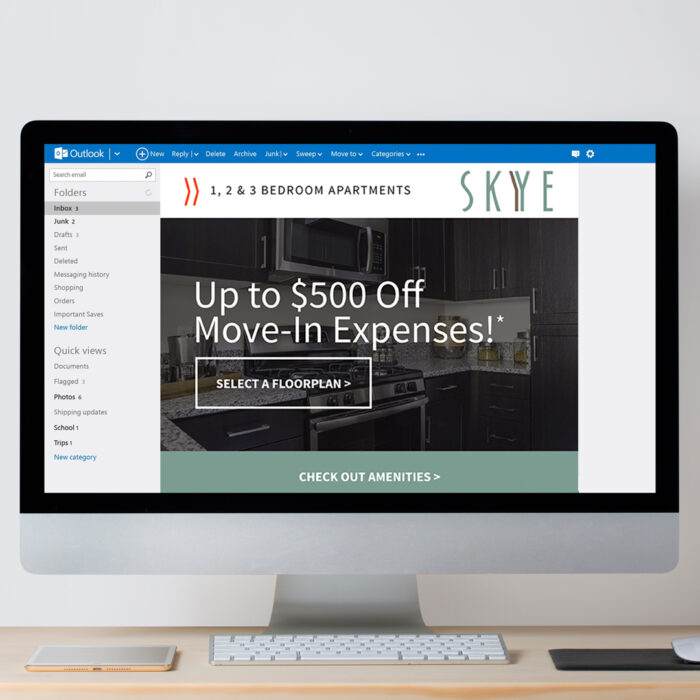
Using every channel available to you, break out the bullhorn and shout that you’re offering something special at your community for any newly signed leases. Anytime you’re running a lease incentive campaign, make sure you’re communicating consistently and clearly and pushing it through every channel that’s applicable. No one in your prospective audience should say “How did I miss that!?”

moving apartment marketing campaign

MOVING IN CAMPAIGN

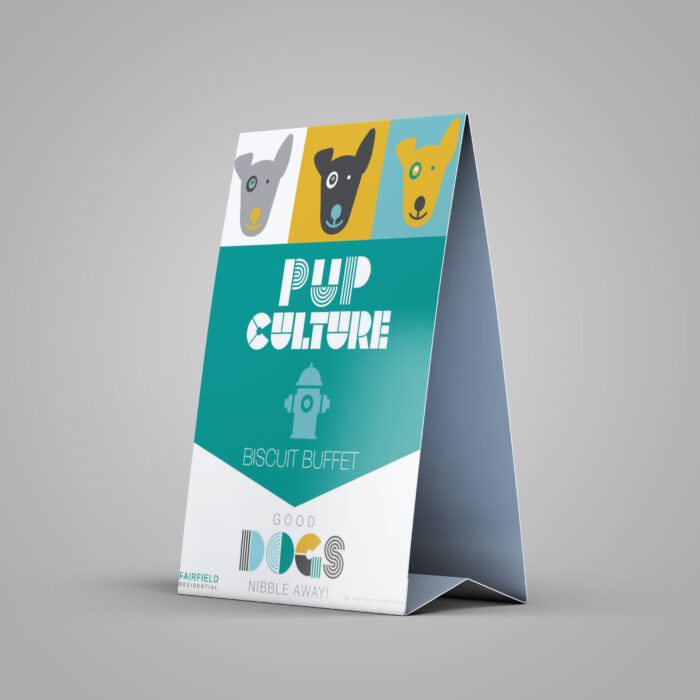
Moving into a new place can be exciting, overwhelming, and bring up all kinds of emotions. Helping your residents feel like moving in is easy with a move-in campaign or an accent wall program (pick your paint color!) may just be the “cherry on top” they need to make the move and sign a new lease at your community. Graphics (and signage) to accompany these were vital to communicate exactly what was being offered.

giveaway apartment marketing campaign

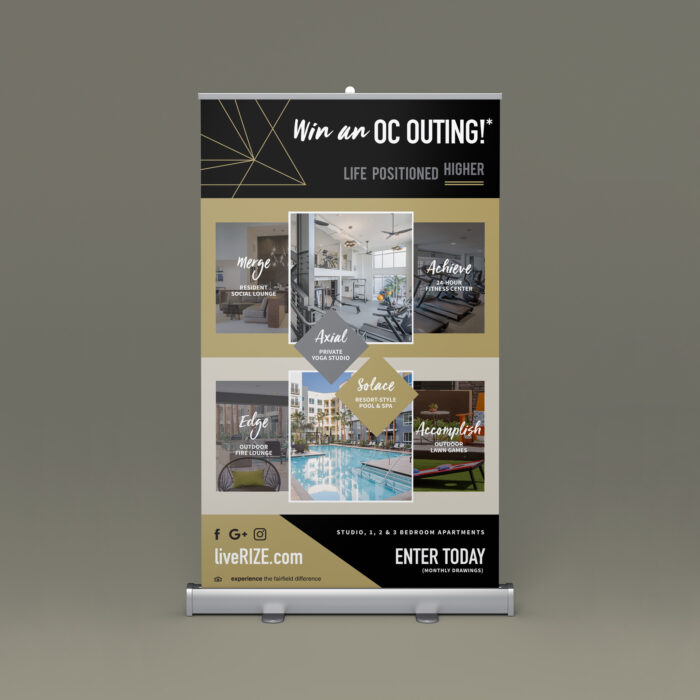
PRIZE/GIVEAWAY CAMPAIGN

This is a classic, and if you’re running stuck, grab a gift card to a local spot, and encourage your followers to like, share and tag friends in social media posts, or do a competition with unique hashtags:  “Post a photo using #LoveLivingRanchoDelSol and tag us in it to be entered to win an OC outing!”

event apartment marketing campaign

EVENT-BASED CAMPAIGN

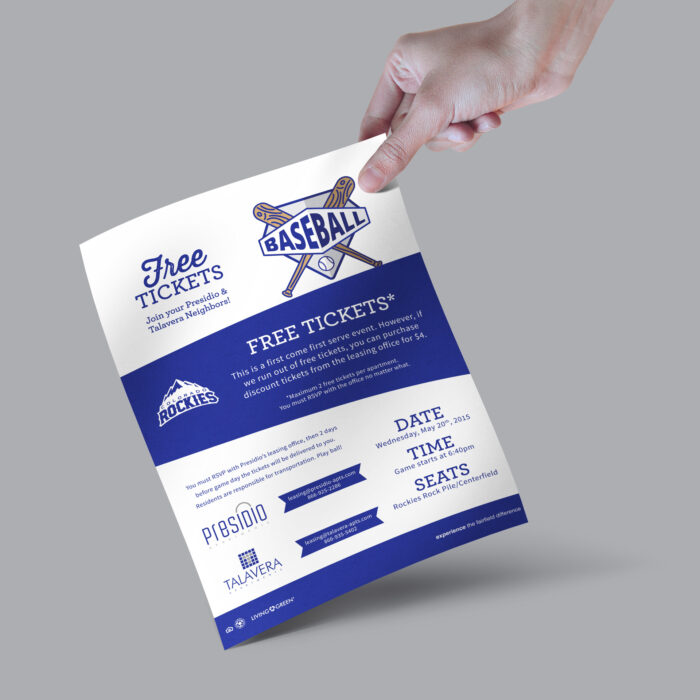
There’s a touch of childhood glee that comes with any countdown, so when you have an event coming up, it’s a wonderful trick to build up excitement and anticipation, with a few sneak peeks thrown in for good measure. You can try this with a Grand Opening campaign or a Resident Appreciation event.

referral apartment marketing campaign

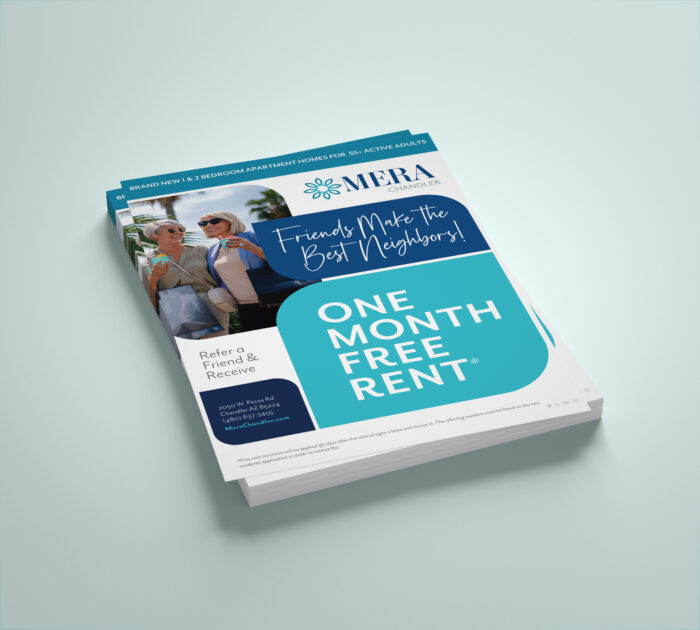
REFERRAL PROGRAM CAMPAIGN

Who doesn’t want to be neighbors with their friends? Add a special bonus with a referral program campaign that gives successful referrals a cash reward.

lifestyle apartment marketing campaign

LIFESTYLE CAMPAIGN

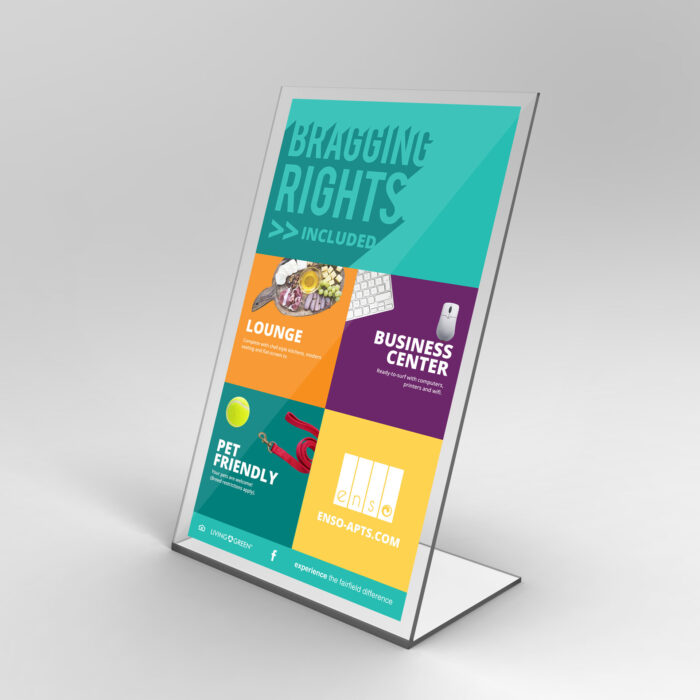
Is your community the best one on the block? Or in the neighborhood? Or city? Capitalize on it, and don’t beat around the bush. This “Bragging Rights” campaign helped this apartment community highlight particular amenities (in a fun way) that visitors and family and friends alike would be impressed by.

Bottom line: Make your apartment marketing campaign fresh, fun, and new—make it attractive (AKA professional design services with zipcode) and choose the best channels to optimize your reach. When your campaign is complete, track your results and make a plan for the next one. Keep a good thing going.

If you need more ideas, reach out. We’re always happy to help.

Turn Down the Upkeep, Pup Culture, Skye Moving Incentive, Win an OC Outing, Baseball Game, and Bragging Rights are ©Fairfield Residential  |  Work executed by Stacey Feeney, owner of zipcode creative, while under creative direction and employment at Fairfield Residential.

The Golden Ratio in Design for Apartment Marketing

Professional designers, like us, have many tools in our toolkit. From understanding color theory to strategically type-setting text, we are experts at creating designs that are aesthetically pleasing. And there’s also a few tried-and-true theories that we put to use, too—the Golden Ratio is one of the most pivotal to creating well-designed marketing collateral for apartment communities.

This all-important number allows designers to create attractive designs that will catch the eye of any prospect. Learn more about the Golden Ratio and how you can incorporate it into your next project.

the golden ratio

What is the Golden Ratio?

To understand the Golden Ratio, you must first understand the Fibonacci sequence. The Fibonacci sequence is a series of numbers created by adding the sum of the two previous numbers beginning with 0 and 1. When adding 0 and 1, the sum is 1. The sequence then becomes 0, 1, 1, then 0, 1, 1, 2, then 0, 1, 1, 2, 3, and so on infinitely. 

Ancient Greeks developed the principle of the Golden Ratio to better explain the Fibonacci sequence. The formula to calculate the Golden Ratio is A/B + (A+B)/A = 1.618. 

When you plug in the values from the Fibonacci sequence into the Golden Ratio formula, it creates a logarithmic spiral called the golden spiral. This swirling shape naturally creates a guide that can be used when designing anything from buildings to sculptures to paintings. It was even the basis of some of the most iconic works of art around the world, from the Great Pyramids to the Taj Mahal and from the Mona Lisa to The Birth of Venus.

Though it may seem like a man-made creation, the golden spiral is also commonly found in nature. Seashells, leaves and petals, and even clouds feature this distinct, swirling shape. Even faces follow the Golden Ratio—those considered conventionally beautiful typically have features that adhere to this mathematical principle.

But the Golden Ratio isn’t only reserved for awe-inspiring masterpieces—design experts and agencies like zipcode creative can also leverage these principles to create a variety of marketing materials that help apartment communities attract prospective residents and lease up faster.  

the golden ratio in naturethe golden ratio in design

Web Design

By creating a balanced page and strategically sizing elements using the Golden Ratio, designers can create an eye-catching web page that is beautiful, informative, and effective at converting leads. Using it to inform the placement of images, text, forms, call-to-action buttons, and other page details helps to create a balanced and unconsciously pleasing design—and it also helps guide the viewer’s eye around the page. This ensures that they read your messaging in the right order, allowing apartment communities to better articulate all of the best benefits and perks to prospects.

Signage Design

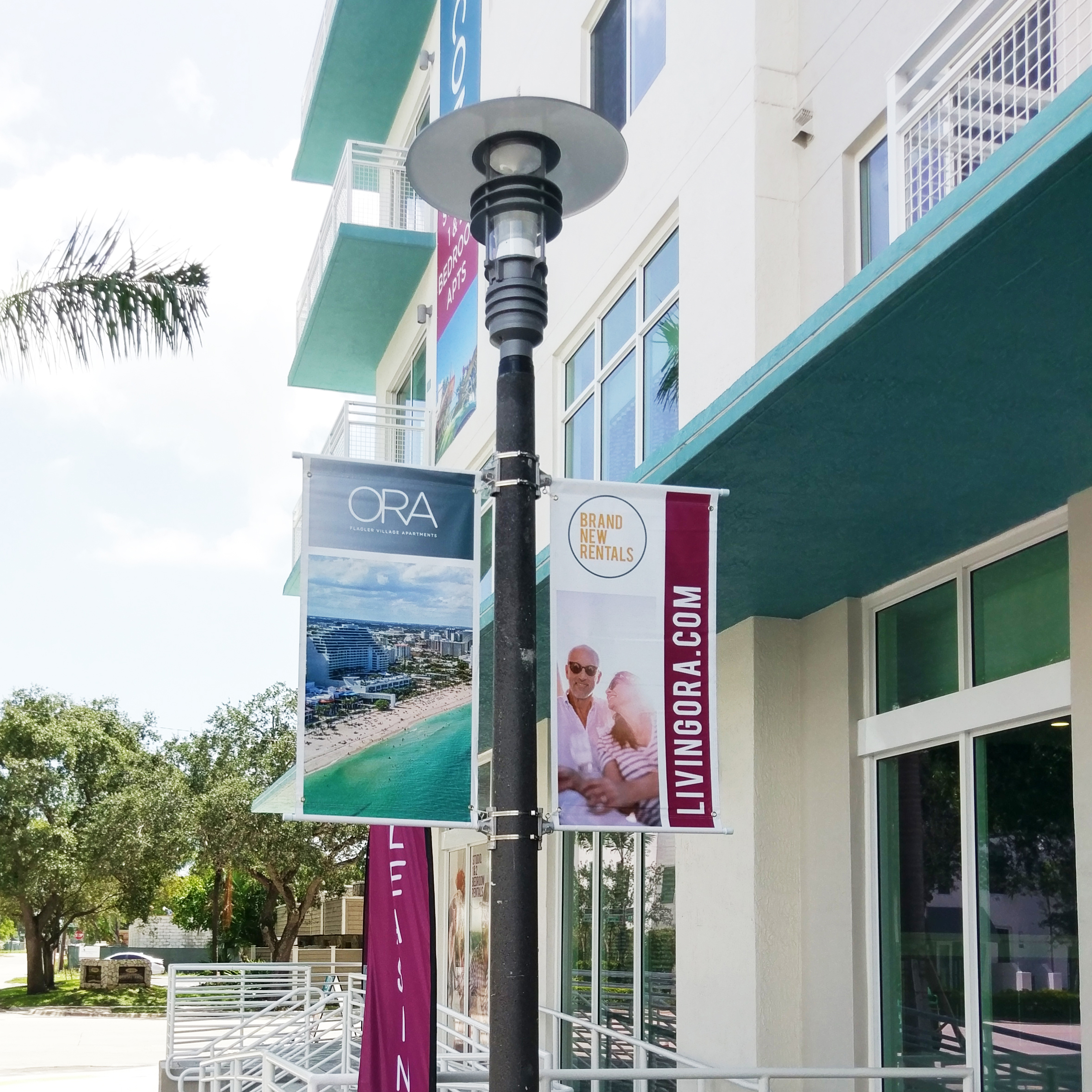
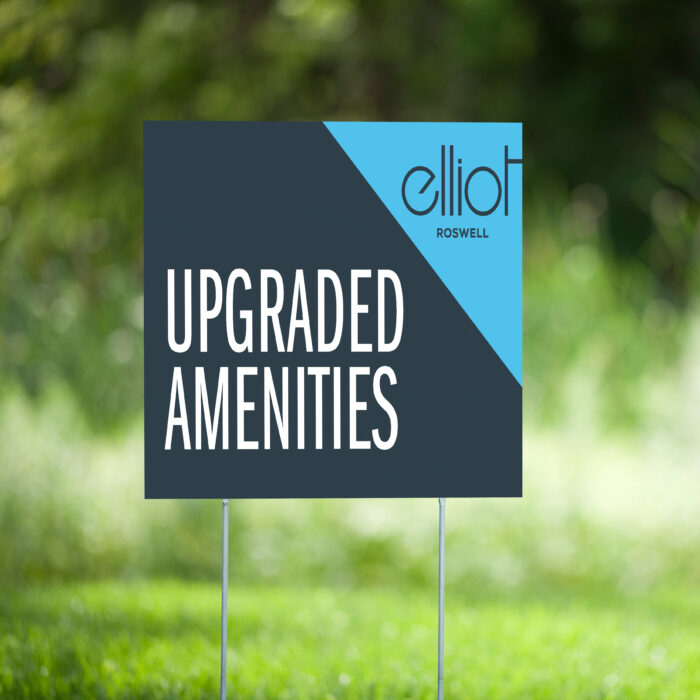
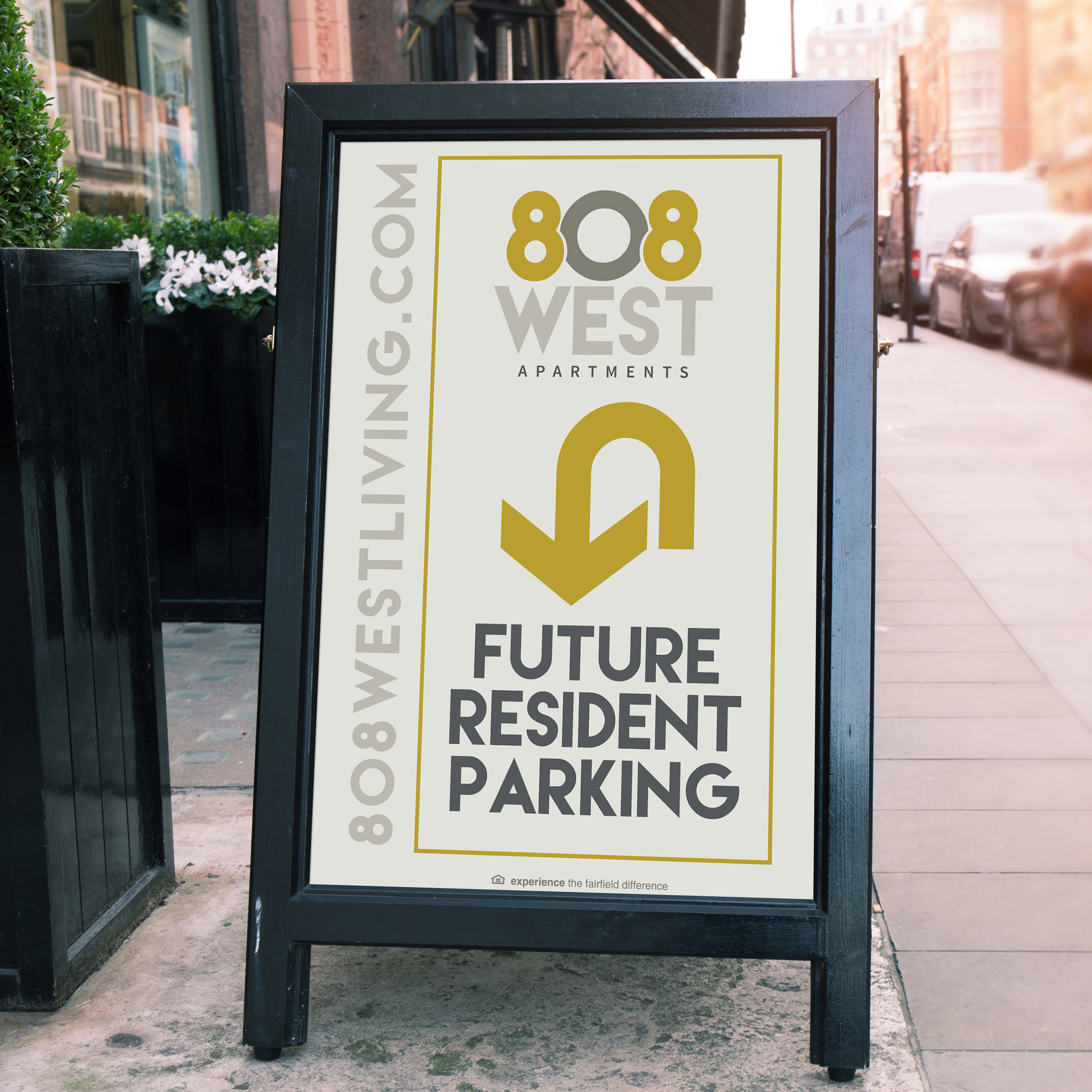
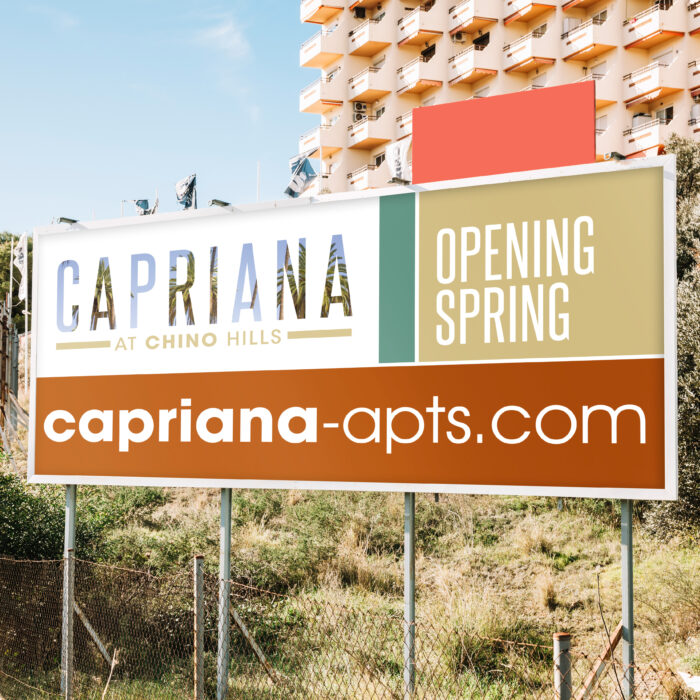
From stand-up signs to building banners, designers can use the Golden Ratio to create a wide range of different signage for your property. It can be used for both vertical and horizontal layouts to create a clear, concise, and high-converting design. Whether you’re trying to drive prospects to book a tour, promote a leasing incentive, or generate brand awareness, we leverage this proven design principle to create a sign that helps you achieve your goal.

Flyers & Direct Mail

When we’re creating full-page flyers or direct mail postcards, we also leverage the Golden Ratio. We not only use it to structure the different zones on the page, but also use it to help determine where to put photos, headlines, and body copy, along with the CTA. It can even be used to inform text size, ensuring that the headline, body copy, and any other text all look proportional and work well together to promote your property or portfolio.

Brochure Design

The Golden Ratio principles can be applied to multi-page materials, too. Whether we’re creating single-page layouts or working on multi-page spreads, using the same approach helps to create a brochure that’s not only packed with important information but also beautiful. From designing the cover to laying out a clear contact page at the end, the Golden Ratio helps designers create a well-balanced and elevated brochure that will help your community stand out from the competition.

From creating new landing pages to developing your brochure, zipcode creative can utilize the Golden Ratio to create these assets—and more!—to help you attract your target prospects. Get in touch today to learn more!

How to Choose the Best Color Pairings for Apartment Branding

Color is so essential to branding and design, that brands are often recognized by just their chosen hues—even before our brains can process the logo shape or words. The cherry red of the Coca-Cola logo or the red and yellow that signify McDonalds are as distinct—if not more recognizable—than some of their other branding elements. Be sure to prioritize color pairings for your apartments to help make your mark. Before you design your logo or create your community website, start with finding the best combinations for your community using these tips and tricks. 

Understanding Color Theory

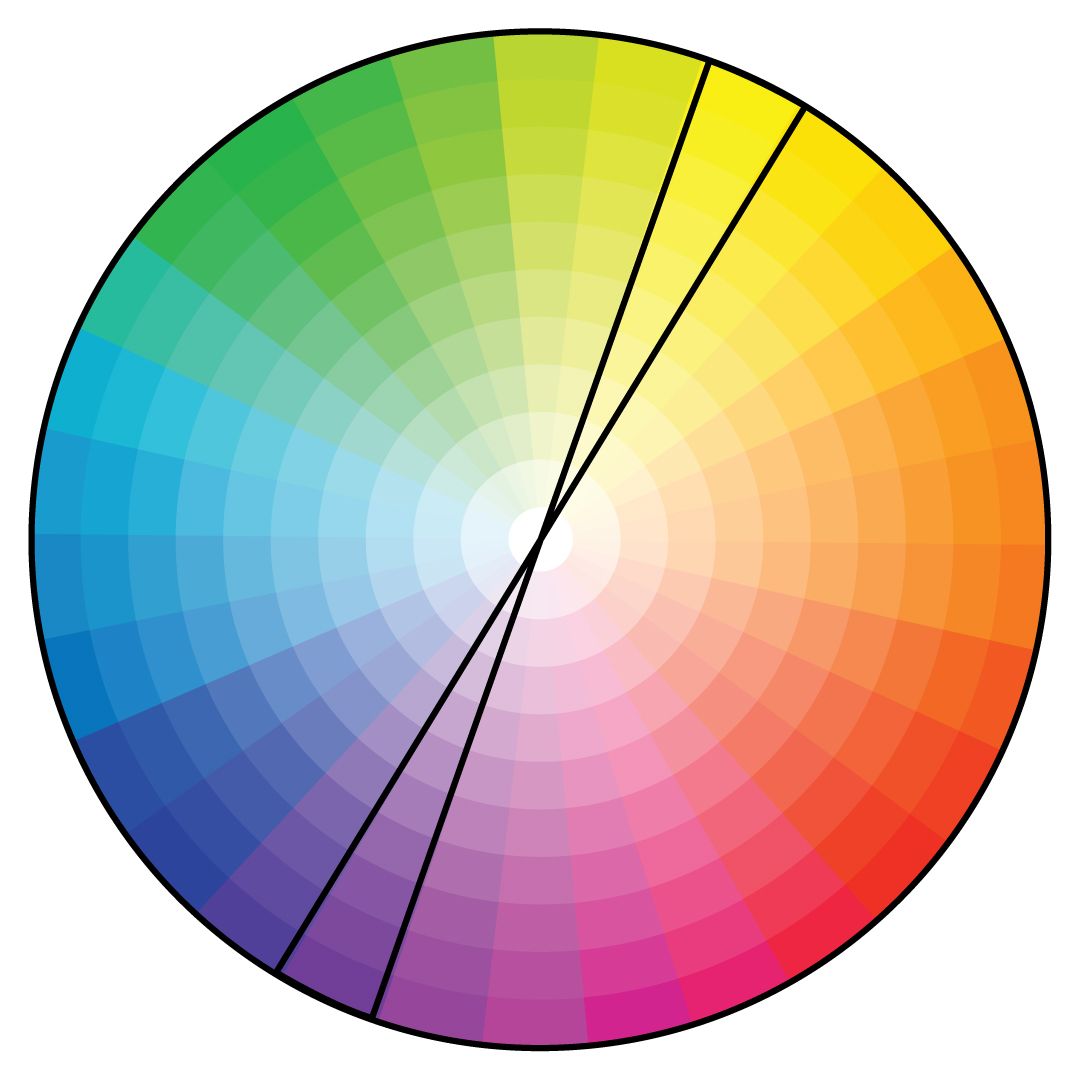
Color harmony is one of the main tenets of color theory that assesses which colors work well together—and which don’t. There are three main approaches to color harmony: complementary colors, analogous colors, and triadic colors.

Complementary Colors

Complementary colors are those that are opposite on the color wheel. For example, red and green, purple and yellow, and blue and orange are all complementary color pairings. The reason these colors work so well together is that complementary colors pair together a warm and cool color to create contrast. The opposing hues help the colors appear brighter for a more eye-catching combination. 

Complementary color pairings are often found in nature, which also makes them naturally pleasing to the human eye. For example, purple flowers with a yellow center, an orange sunset over the blue ocean, or green leaves with bright red berries are all beautiful combinations that you can find on almost any nature walk. 

Analogous Colors

Unlike complementary colors, analogous colors are those that are next to one another on the color wheel. Red, orange, and yellow, or blue, green, and yellow are examples of analogous color combinations. When creating an analogous color scheme, one color should be the dominant shade, while the others serve as accent colors. Though these color palettes aren’t as attention-grabbing as complementary color schemes, they are still very pleasing to the eye and are a good, more subtle option when choosing your brand colors. 

Triadic Colors

Triadic color schemes are combinations of three separate shades that are equal distances apart on the color wheel. Red, blue, and yellow, for example, is one of the most common triadic color palettes. Green, orange, and purple is another triadic combination. While this approach is less common than complementary or analogous color schemes, it’s a vivid option that can help your brand’s logo and marketing materials stand out.

color pairingscolor pairings

Choosing Your Color Scheme

Because there are nearly infinite color combinations to choose from, it can be a challenge to pick your brand colors. To make it simpler, start with the favorite or must-have color. Take that shade and create a few different color palettes to see what works best with your brand.

Combine your chosen shade in a complementary, analogous, and triadic color pairing. This will help you see your favorite hue in several different combinations, making it easier to visualize what your brand colors and logo might look like.

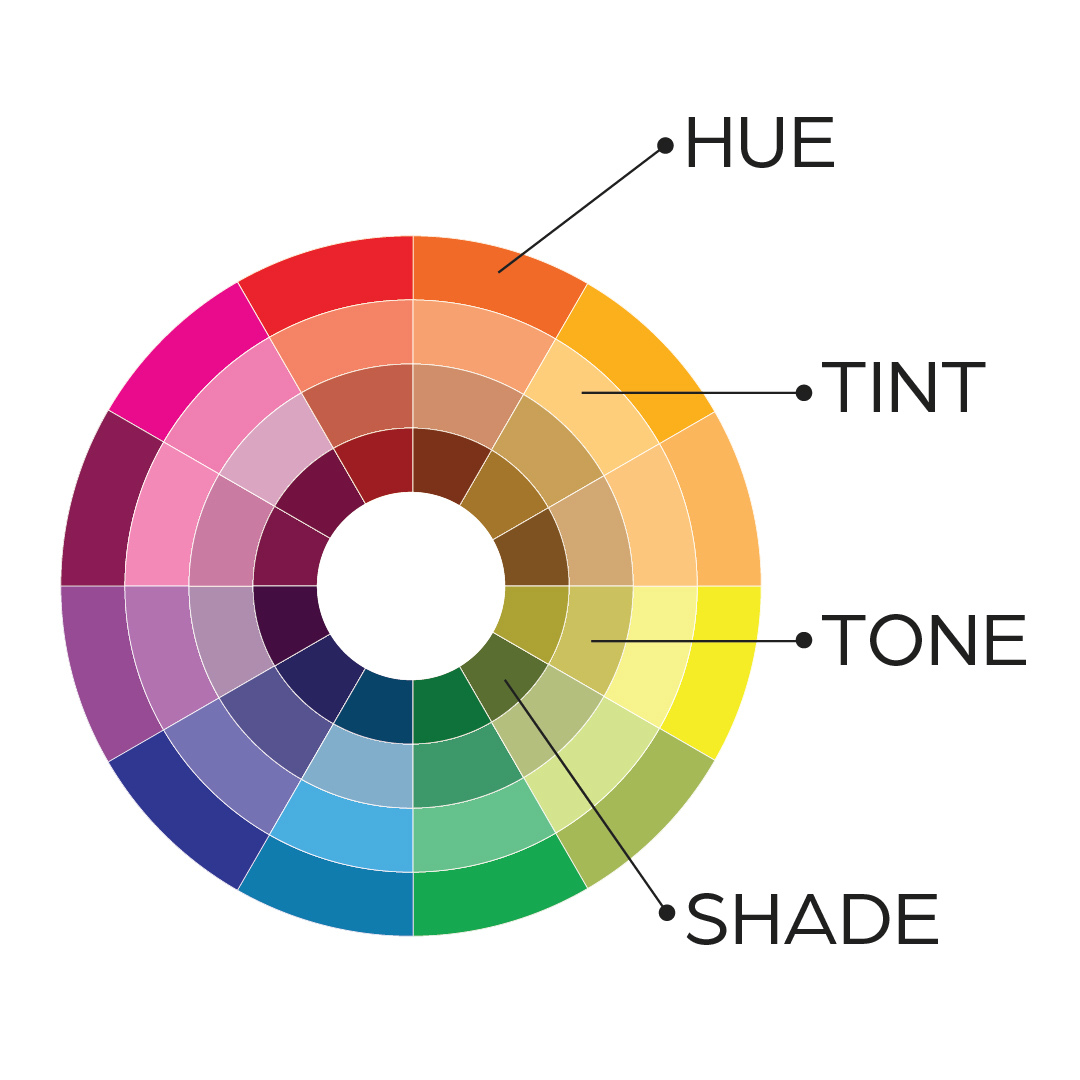
Be sure to also take a look at color psychology to ensure your chosen shade speaks to your brand values. Each shade has intrinsic effects on people, whether they realize it or not. Blue, for example, tends to have a calming effect while red creates a sense of urgency. Green is associated with wealth, while purple is often associated with respect and wisdom. Before finalizing your palette, evaluate your chosen primary color and make sure that the meaning aligns with what you want your brand to be known for.

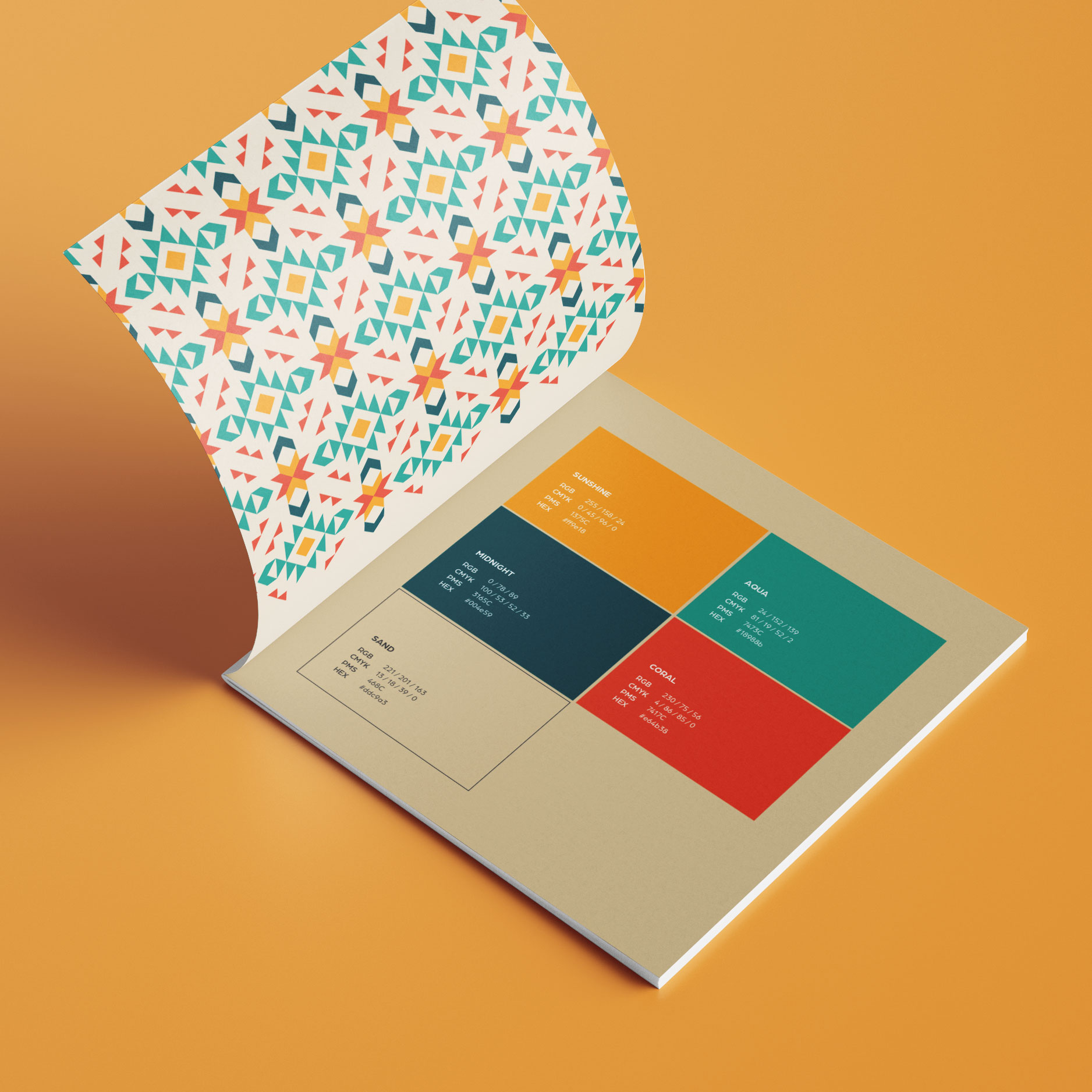
Once you’ve nailed down your palette, don’t forget to expand your hues by adding both light and dark shades—to create a well-rounded palette that allows you to develop any marketing asset your community may need.


If you’re struggling to find the perfect pair of colors to represent your apartment community, we can help. As design experts in the multifamily space, we know exactly how to curate brand colors to make your community stand out. Get in touch today to get started!

The Top 3 Complaints About Creative Agencies from Apartment Marketers

There’s a missing link between property management companies and your average agency. And it’s a big deal. So, when we first got into the creative business, as fixers and doers—we wanted to help property management companies by doing what the typical agencies weren’t: understanding you needs, connecting the dots of property management, and giving you a beautiful product of any size for any creative project; one that would make your marketing team sing.

We hear a few common complaints with regular marketing agencies from some of our prospective clients. Not only are we sympathetic—we’re here to be that missing link. Read on for how zipcode creative does things differently!

Complaint #1:

“We’re forced into big branding packages and can’t get help easily or affordably with smaller one-off needs.”


FLEXIBLE PROJECT SIZES

It stinks when you get sold something that you just don’t need. (Winter air in your tires, anyone?) That’s not what we do—we work with you to get what you need done. You can think of us as an extension of your own marketing team. We pride ourselves on communication and our ability to take any size project. We know every client is different, with different needs, different budgets, and we’re here for it all.

Let’s say, for example, you need just one thing: a property sitemap. We’ll do it. Or, let’s say that you need a full rebrand—we’ll happily do that too. And it will all look amazing. We’re here solely to support you with beautiful branding and industry-leading graphic design.

COMPETITIVE PRICING

We’ll provide you with lots of options to get your project done, and we make sure that we’re on the same page so that the process isn’t painful in the least. We’ll also make sure that you feel like you’re getting good value on the items we’re creating for you—project rates are our jam. Forget the hourly tracking. Transparent pricing means it’s easy for you and easy for your finance office (and easy for us, too). Certainly, We Make Things Look Pretty!…and—we make pricing and projects simple.

Complaints About Creative Agencies

Complaint #2:

“Extremely long turn around times, even for revisions! I sometimes have to do it myself in canva to get the design out in time.”


FAST

We know you need things—like yesterday—in this industry. Our turn around time is always surprisingly quick (and consistent). We have a roster of creatives, ready to go, and with that comes extreme flexibility, making sure you get what you need when you need it. Just ask our clients—they’ll tell you all about it.


VALUABLE

Just because it’s fast doesn’t mean it’s bad. Quite the opposite. We get hyper-focused on giving you a product that jibes with what you already have, so it’s not going to stick out. (Unless it’s supposed to, of course.)


EFFECTIVE

In the same vein, we’ll make sure you feel like you can offer opinions, comments, feedback and guidance at the right time, so we can keep things efficient—and avoid all those extra feedback loops, which stink for everyone. You’ll feel heard, we’ll feel guided, and the product will be beautiful and useful. In short, you’ll want to hire us for everything—be warned!

Complaints About Creative Agencies

Complaint #3:

“The deliverables we receive are often not to the level they should be; it’s clear they don’t fully understand the multifamily industry.”


THE HISTORY

We’ve been in multifamily for a good, long while—from all sides. We understand the needs, the pressures and the nuances of industry terminology and equal housing. This translates into our projects by giving us unique insight to capture residents’ attention through fonts, colors, and taglines, or by highlighting particular amenities, or through capitalizing on specific resident events. Those years in multifamily marketing have been spent with some of the bigger names in the industry, and our knowledge and expertise are part of everything we do. If it doesn’t cut muster, it’s not getting passed on to you, the client.

MAKING THE CONNECTION

These missing links between property management and the typical agency model can become stressors. (Exactly what no one needs.) zipcode creative was founded to bridge the gaps! We speak “renterese” and we’re ready to translate for you. Rest easy, knowing that you’ve hired a marketing agency that actually gets you and gets your industry. Now—what was that new construction we were talking about?


HELP US HELP YOU

Like we’ve said before, every client is different, and every community needs something customized. We can do that.

But first, we have a question:

What is your biggest complaint with your current agency partners?

[et_pb_contact_form _builder_version=”4.19.0″ _module_preset=”default” _unique_id=”7a50378b-a6aa-4ec9-b952-95a5c604f8f9″ success_message=”Submitted! ” submit_button_text=”SEND” email=”[email protected]” custom_message=”Complaints/Thoughts on Creative Agencies||et_pb_line_break_holder||%%Message%%” use_redirect=”on” redirect_url=”https://zipcodecreative.com/services/” hover_enabled=”0″ sticky_enabled=”0″][et_pb_contact_field field_id=”Message” field_title=”Submit your thoughts and complaints about working with outside creative marketing agency partners.” field_type=”text” fullwidth_field=”on” _builder_version=”4.19.0″ hover_enabled=”0″ global_colors_info=”{}” button_text_size__hover_enabled=”off” button_one_text_size__hover_enabled=”off” button_two_text_size__hover_enabled=”off” button_text_color__hover_enabled=”off” button_one_text_color__hover_enabled=”off” button_two_text_color__hover_enabled=”off” button_border_width__hover_enabled=”off” button_one_border_width__hover_enabled=”off” button_two_border_width__hover_enabled=”off” button_border_color__hover_enabled=”off” button_one_border_color__hover_enabled=”off” button_two_border_color__hover_enabled=”off” button_border_radius__hover_enabled=”off” button_one_border_radius__hover_enabled=”off” button_two_border_radius__hover_enabled=”off” button_letter_spacing__hover_enabled=”off” button_one_letter_spacing__hover_enabled=”off” button_two_letter_spacing__hover_enabled=”off” button_bg_color__hover_enabled=”off” button_one_bg_color__hover_enabled=”off” button_two_bg_color__hover_enabled=”off” required_mark=”off” sticky_enabled=”0″][/et_pb_contact_field][/et_pb_contact_form]

Brand Vocabulary Defined for Apartment Communities

You probably notice that you use similar words and phrases often—you may even have some that are a bit of your signature style. Did you know that your apartment community should, too? When it comes to defining your apartment brand, try thinking beyond branding basics like vision, mission, and values. Once you’ve established those foundational brand pillars, it’s time to add a bit of personality and pizazz. That’s where your brand vocabulary comes in.

What is Brand Vocabulary?

A brand vocabulary is a set of select words or phrases used regularly in describing your community and in all of your copy. Creating defined brand language at the brand development phase helps you create a consistent and recognizable brand that looks and feels consistent across touchpoints. 

Why Do You Need Brand Vocabulary?

Your brand is more than just your logo or your signature colors. How you speak, the words you use, and your style are just as important—and recognizable—as your visual branding elements. 

Similar to how individuals favor different terms, phrases, and sentence structures, brands can leverage language to create a distinct and easily identifiable personality. Some of the world’s most successful brands, like Disney or Apple, use strong brand vocabularies to create immediate associations with their brand. 

When you hear the words, “magic,” or “kingdom,” for example, Disney is one of the first brands that comes to mind—and especially when the words are paired together. Apple has also developed its own style. When you see a word that starts with a lowercase “i,”  like “iHome,” most people instantly recognize it as part of the Apple ecosystem. The brand has expanded this format, using it not only across product names but also incorporating it into advertising to create a thriving and distinct brand vocabulary.  

When done properly, your brand vocabulary will also begin to build an association between particular words and your community. Over time, this helps to generate heightened brand awareness and recognition, while also allowing you to differentiate yourself from your competitors.

brand vocabulary

How to Create Brand Vocabulary

Once you understand what a brand vocabulary is and why it’s important for your community, it’s time to start developing your own. Just keep these tips in mind to ensure your vocabulary is as effective as possible. 

Keep it simple

When you’re developing your brand’s vernacular, don’t overthink it. Some words and phrases that you use often are naturally tied to your community and your industry. For example, apartment communities often use some variation of:

  • Studio
  • 1-bedroom
  • 2-bedroom
  • Amenity spaces
  • Lease
  • Resident

To set yourself apart from your competitors, it’s important to expand your vocabulary beyond industry terms. Look to your brand’s vision, mission, and values to determine other words that might be a good fit. For example, if your brand is more forward-thinking or modern, utilize words with that same feeling and tone. If you’re more traditional and classic, lean toward words that evoke that same feeling. You can also try thinking up creative ways to phrase typical industry-standard words for a more creative spin.

Make it unique

Using unique words or phrases to describe common amenity spaces can help you create intrigue and be more memorable. For example, instead of calling it an on-site dog park, opt instead for “The Bark.” Instead of calling it the business center or resident lounge, you can opt for something punchier and more modern, like “The Hive.” Thinking outside the box helps you develop more memorable names that help to create a strong community culture and make your spaces stand out more to prospective residents.

Stay consistent

Above all, staying consistent with your brand vocabulary is key. Once you’ve developed and defined the different words and phrases you’ll use, be sure that everyone is aligned. If you decide that you always want to call them “residents,” for example, it’s important that marketing materials never use the word “renter” or “tenant.” Similarly, your leasing staff or resident-facing teams like maintenance or the concierge should always call prospects “residents,” on tours or during other interactions. Creating a consistent vocabulary across touchpoints is what will help set you apart from your competitors.

Developing a brand vocabulary from scratch can be tough. If you’re struggling to find words and phrases that feel right for your community, it might be time to enlist the experts. At zipcode creative, we have a team of seasoned marketing professionals that can help you nail down the exact right terms to add to your repertoire to help your community stand out. Book a consultation with one of our experts today to get started!

ORA is ©Fairfield Residential  |  Work executed by Stacey Feeney, owner of zipcode creative, while under creative direction and employment at Fairfield Residential.

Brand Development: Apartment Marketing

You have big plans for your community. It’s a new construction and you want to make sure you’re getting off on the right foot during the lease-up phase. Or maybe you’ve come to a community with a goal to rebrand and want to leave all the unengaging old branding (or lack thereof) in the dust. Either way, you need to make sure you have your brand development strategy laid out and ready to roll.

What’s Brand Development?


Brand development is the work you put into how your client base associates with and feels about your brand. You build it up and craft it so that you’re selling an experience and a lifestyle, not necessarily just one or two products. The work you put in at the beginning when developing your brand will help your residents say “If I live there, I’ll be X, or I’ll feel Y.” It’s how you ultimately set yourself apart, even if you’re offering the same thing as another company—at the same price. Your brand is your calling card and how you make your residents feel.

What are the parts of Brand Development?


BRAND STRATEGY

Create your strategy and make sure it’s aligned with your major business goals. Create your mission statement, vision statement, and values. Your mission statement tells what you set out to do. Your vision statement is what it looks like when you pull off that mission successfully. Your values are what your company stands for. Get clear on these—they’re the frame (or skeleton if you want to get spooky) to the body of your brand and will hold things up and give it lasting structure.


BRAND STORY

What does your brand look like and sound like? Bring the personality forward and create a logo, a tagline, your brand colors, your fonts, and your website with all of that in mind. Make it stand out but have it all be approachable or understandable. Your visual identity and your verbal identity have to tell the story of exactly who you are and why you are—but in a lot fewer words than your mission, vision, value (and sometimes with zero words—like with your colors.) This is the outward-facing part of your brand that draws people in. Make it look and sound good.


BRAND STRENGTHENING

Once you have your framework and your “appearance” together, build your muscle and get strong. Make sure it all works, and test it regularly. How? Track everything. Make adjustments. This is how you can improve your brand every day.

brand development

Why is Brand Development Important?

No one wants to work hard on something totally pointless. Trust us—this brand development business? Not a waste of time. It can build trust with your customers, instill employee pride in your company and its culture, and boost social proof. All of which impacts your bottom line. Just make sure you do it first thing—before you throw a bunch of money into paid ads, marketing collateral, and other costly things.

BUILD TRUST

When your community’s actions, messaging, and everything they do align with your community’s values, you become trustworthy through predictability, and that you’re going to do what you say you’re going to do. No (bad) surprises.


BOLSTER PRIDE

Your employees can be proud of your community brand, because it feels more akin to being part of a family. They understand who the community is, and the big company goals, and can better support them in their everyday work functions. Proud, happy employees make for a more welcoming community. Bonus.


CREATE PROOF

If your brand feels obvious and easy to you as someone on the inside of the community, then you hope that it translates to outside the community. A sign of a successful brand strategy: your current residents and your prospective residents can put into words what the community means to them. When everyone on the inside is aligned, the messaging and the efficacy of your brand will come through without a hitch, making social proof (think testimonials and quotes) an easy-to-reach-for marketing tool.


CONFIDENT MARKETING

The foundational questions that show who your brand is and what your brand is doing? Already answered. So: your content creation is shockingly easy. Tell the right story in the right way in the right places, and your audience will see why they need it or want it. Creating consistency and confidence in your marketing is a beautiful result of well-done brand strategy.

How Do You Develop Your Brand?


This is the homework portion of the assignment. Sharpen your pencils.

COMPARE

Compare yourself with your competitors. Do a full SWOT analysis. What do you do better than your competition? That’s what sets you apart. Things like “lower prices” or “faster shipping” do not work here. Think through your values and how you can help that come through in your messaging—your values and your tagline.

RESEARCH

Before you create content of any kind, do your research. Understand who your audience is, and where they’re most likely to see your information and convert. Employ A/B testing to see what kind of campaigns are more successful.

STAND OUT

This is the visual part of the game, and how your residents know they’re at your community and not the one down the street. Yes, customer service can be part of this, but make sure that your visual branding is on point and unique.

SUMMARIZE

Be able to communicate your community brand with just a few words—your brand positioning statement, your tagline, your mission, these all serve as shorthand to fully encapsulate your brand. Get them all set and edit them until it completely conveys what you want. Build it into your brand guidelines, and include: all visual branding, messaging, tone, symbolism, and the thoughts behind artistic choices.

In addition to your brand guidelines, you also need to consider everything you offer: in-home amenities, community amenities, and why your location is ideal—(proximity to attractions, nature, highways, metro areas, etc.)

SHIFT AS NEEDED

Sounds scary. Isn’t. You want to stick with your brand guidelines that you’ve created, but you also must be assessing it regularly and be willing to shift if, for example, your ideal audience isn’t responding to your quirky brand personality. Your audience perception may be slightly wrong, and it’s better to evolve and capture that audience, rather than to be unwavering and fade into the rearview mirror of your target residents.

brand development

Avoid This with Brand Development

DELAY

Here’s hoping you’re reading this before you reveal or relaunch your community. Doing brand development first is foundational. You’ll end up wasting time and money if it’s an afterthought—that’s like trying to find a place to buy a map when you’re already several miles into a confusing and difficult hike. Frustrating, to say the least.

INCONSISTENCY

Brand guidelines will help keep you on the right path. Keep consistent in your online and print messaging, signage, blog, employee training, all of it. Keep the target the same. Keep the tools the same. That will help keep things on point all the time.

UNWILLINGNESS TO SHIFT

It’d be good if you did your audience and competition research and analysis before you launched any major campaigns or rebrands or management of a new community. However, maybe you didn’t. It would be fair to say that you can expect to shift some of your brand strategy that you’ve put together. Because, like we said before, it’s more important to reach your residents rather than to be doggedly consistent. Just make sure that your brand guidelines get the memo—review, shift and edit them as you need to so you can remain relevant. 

Brand Statements That Define an Apartment Community

When you work with a creative agency to develop your brand style guidelines, you may be expecting them to create your visual branding components like your logo and brand colors. But what is often overlooked in brand guidelines are elements like tone of voice and messaging. Brand statements, however, are crucial to developing a well-rounded brand and allowing you to create compelling and consistent materials that will help attract your target audience.

Multiple different brand statements work together to create your brand’s “vocal” identity and brand messaging. Each serves an important purpose that helps define who you are as a brand and an apartment community. Learn more about each brand statement and why you need them in your community’s toolkit.

Purpose Statement

To create your brand purpose statement, you have to find your “why” and identify why it is you do what you do. Your purpose should be greater than the obvious motivators like providing housing or making money. Instead, you should look to your greater purpose that is rooted in your beliefs and morals.

A great way to identify your purpose statement is to think about your community’s founding story. Was your community created to offer a unique living experience for residents? Was it created to fill a hole in your area’s housing market? Narrowing in on the answers to these questions can help you synthesize the “why” behind your community’s purpose.

Vision Statement

In a nutshell, your vision statement is the goal you are working towards. While your purpose statement explains your “why,” or your motivation, your vision statement summarizes your ultimate goal. Your vision statement should sum up your desired community impact. 

These high-level statements are often lofty and bold, and they speak to how the future you envision not only for your community but also for the world. It also should speak to the future you want to achieve over the lifespan of owning and managing your assets.

Mission Statement

Unlike purpose and vision statements, mission statements are focused on your actions. They focus on the more immediate future, and the daily actions you can take to help you work towards your loftier goals. 

Mission statements usually follow a loose format, which includes explaining your business and tying it directly to your company values. It should also focus on how you serve your prospective residents. When crafting your mission statement, be sure to hit on these three key components: purpose, values, and goals.

Brand Positioning Statement

Brand positioning statements help you craft customer communications. Once you have your vision, mission, and value propositions, you can blend them together to create your positioning statement. 

This statement should identify what your company does, the target audience, and your key differentiators. They often follow a similar structure:

(Company Name) is a (industry definition) for (target audience) that (unique value proposition).

Following this general format will help you create the first draft of your positioning statement that you can tweak and refine until it feels true to your community.

Brand Attributes

Once you’ve nailed down your vision, mission, and positioning statement, it’s time to give your brand a defined personality. Defining your brand attributes will help you start to define your brand’s tone and style, which allows your audience to get a better feel for your community. 

Brand attributes are words that describe your brand’s personality. They’re also typically paired with a short phrase or sentence to give added context and clarity. A few common brand attributes include:

  • Friendly
  • Authoritative
  • Witty
  • Bold
  • Energetic
  • Laid-back
  • Sophisticated
  • Trustworthy
  • Aspirational

Consider choosing between three and five attributes that you feel best represent your brand and stick with them to create a consistent style.

Value Propositions

Your community’s value propositions are what make them different from your competitors—they clearly define why a prospective resident would want to choose your community over another. Crafting value propositions is pivotal to creating strong marketing materials; they allow you to clearly articulate what makes your community one-of-a-kind, and in turn, help convert prospects into residents. 

Brand Identity Statement

Your brand identity statement is often a short, two or three paragraphs that describes your brand voice, tone, and style. This helps you expand upon your brand attributes and personify your brand even further. For example, your brand may sound like a friend spending their free time hanging with the resident. It could also be a sophisticated, elevated tone that alludes to a luxury lifestyle. Deciding on your overarching identity is pivotal to bringing your brand to life in a more practical way. 

Each of these brand statements works together to tell the whole story of your apartment community or property management company. Individually, they don’t tell the entire story—but when you use them all together, it helps you define who you are and create a consistent message across all of your marketing materials. Brand development plays a crucial role in setting you apart from your competitors and fostering easy brand recognition, which in turn results in a strong, stable community! 


If you need help crafting your brand statements, enlisting the help of a seasoned agency like zipcode creative can help you build the strong foundation you need. Reach out to our team today to get started!

Typography Casing for Good Apartment Marketing Design

When you’re designing your marketing materials, it’s easy to get caught up in the photos and design elements. These components can make a big impact and immediately attract the viewer’s attention—but there’s another part of design that’s equally important and often overlooked: typography casing.

Your approach to typography can make or break your apartment marketing design. While font style, size, and color work together, it’s also integral that you consider your text casing. Whether you opt for all uppercase or title case for a headline, it’s a strategic decision that can define the hierarchy of information on the page, but also helps with ease of reading. Learn more about the different casing options, and when to use them, to level up your community’s marketing materials. 

Types of Typography Casing

There are four main kinds of typography casing—and there’s a time and place for each. Be sure to keep the casing in mind to find the most readable and visually appealing design approach. 

upper caselower case

Uppercase

Uppercase typography is when every letter is capitalized—also known as “all caps”. This type of typography should be used sparingly, typically in headlines at the very top of a design. This style of type is perfect for drawing attention to a short—but very important—phrase. Things like “Leasing Special,” “Your Tagline,” or “Now Open” are ideal candidates for an all-uppercase treatment. It’s also a smart option for calls to action to make them stand out.

Lowercase

Lowercase typography is when you use all small letters for an entire word or phrase. Using all lowercase letters isn’t necessarily grammatically correct, but can be used when you’re making an intentional and stylistic design choice. This style is best reserved for a short, attention-grabbing headline (similar to those used for all uppercase). Using lowercase typography will give your designs a slightly softer look.

sentence casetitle case

Sentence Case

Sentence case is the style used when writing sentences—the first letter is capitalized and there is punctuation at the end of your phrase. This is most commonly used for body copy, long-form writing like blog posts, or social media captions. It’s helpful to increase readability and make your assets easy to understand. You can also choose to use sentence case for headlines or sub-headers, though they are more commonly written in title case. 

Title Case

Title case is when you capitalize the first letter of all major words in a phrase or headline. Title case is most commonly used in headlines and subheaders, but is best reserved for only one or the other. When you have a headline and subhead living together in any design, consider leveraging title case for the headline and uppercase for the subhead to create a stronger visual hierarchy. Title case is also sometimes used for calls-to-action to better differentiate them from body copy.

typography Hierarchy

Typography Casing Combos & Hierarchy

The best part about typography? You don’t have to choose just a single style. Mixing and matching different options can help you create a more dynamic, visually interesting design piece. Some common combinations include:

  • UPPERCASE HEADLINE & Sentence case body copy
  • Title Case Headline & Sentence case body copy
  • UPPERCASE HEADLINE & Title Case Subhead
  • Sentence case body copy & UPPERCASE CTA
  • Title Case Headline & UPPERCASE CTA

Especially for designs that are text-heavy, it’s important to add variety to your typography. This will create added visual interest and create a clear separation between different types of copy. But whatever combinations you choose, be sure to strive for consistency. Every headline on the page should use the same style—same with body copy, calls-to-action, subheads, and eyebrows. This approach creates a predictable visual hierarchy, so viewers understand which copy is most important at just a glance.

Font sizing can also help you create a clear type hierarchy. Typically, your headline should be the largest font on the page, followed by the subheadline. The body copy is often the smallest. Thinking strategically about your font size will help you move the reader’s eye down the page and help get them to engage further. It also helps you to ensure that they get the most important information first. 


If you need help defining your community’s visual style, it might be best to enlist the help of the experts. At zipcode creative, we have helped countless communities develop their branding, establish their visual guidelines, and craft their marketing materials. Get in touch with our team today to get started!  

Curb Appeal Signage: Apartment Design

First Impressions = Curb Appeal Signage

Creative apartment marketing is reliant on brand awareness—and a sign for your community is the first touch. Think of it like an introduction. And also be aware: first impressions absolutely count. When it comes to curb appeal, signage should be like a greeting—friendly, welcoming and memorable.

ONE AND DONE

Something that’s great about signage? It’s cost-effective. Your curb appeal gets a boost, and your budget also stretches a little farther. Once you put a sign up, it’s there and you don’t have to pay for it over and over, like digital ads. It’s on 24/7/365!

BE HELPFUL

Signs are a guide that’s always there, rain or shine, telling your visitors what to do and where to go. It’s also a nice way to showcase any offers or open houses you have going on. Being helpful is a big part of customer service—the foundation that customer loyalty is built on.

Stand Out With Signs Out

GRAB ATTENTION

Paid ads are targeted. Which is fine, unless you’re trying to expand beyond your typical audience. With curb appeal signage around your community, you can grab the attention of anyone who is walking, jogging, or driving by. More leads can equate to more leases!

DISPLAY OFFERS

Your prospective residents don’t know what they don’t know—in other words, if you don’t tell them about leasing specials, they won’t take advantage of them. Use bootleg signs to show off your most tantalizing amenities and start increasing the interest in the community.

REINFORCE YOUR BRAND

Signage—especially big ones (read more on that below) can help underscore your community’s brand. Improve your customer loyalty, appear more professional, and increase your brand awareness, all with a few well-placed (and well-designed) signs.

curb appeal signage blvd bannerscurb appeal signage bootlegs

The Best Signs for Community Curb Appeal

FLAGS

Also called feather signs, flags are an attractive approach to boosting your community’s curb appeal. These polyester signs can come single- or double-sided, and they’re often used to display a quick call-out. They can be placed singly or they can be staked in the ground in a group to show information, all in a row. “Now Leasing” on one flag, next to another that shows your phone number or website could be a winning combo. Make sure you match your brand colors and use a clear font—use one that’s in your apartment’s brand style guide.


BOULEVARD BANNERS

There’s an air of hometown happiness with classic boulevard banners. Capitalize on the attention of passersby with multiple double-sided callouts in a row on the posts outside your property: “Welcome Home! Leasing Now! Great Specials!” Again, be sure to use your logo, your font, and your colors to align with everything else you put your name on. Boulevard banners are an elegant way to show off your property (even more curb appeal!) and capture more prospects.

BUILDING BANNERS

(OR FENCE OR GARAGE BANNERS)

There’s no such thing as wasted space when you use banner signs on your building, fence, or garage. They’re big, they’re beautiful (if you do them right!) and they’re a game-changer. Use them to give a “Coming Soon” update if you’re in an early phase of construction. Use a big banner to give a few extra details about your apartment community, like bedroom options and your website. Show off a beautiful picture of your apartment interiors alongside your tagline. Whatever you choose, keep it clean and simple with a clear call-to-action. Done well, these make your property more attractive with extra color and interest.

BOOTLEGS

(OR BANDIT SIGNS)

We love a good bootleg sign at zipcode creative. Also called yard signs, these are cost effective, and you can easily install them yourself. With bootleg signs, keep in mind what you would want to know about an apartment while walking by—are they accepting lease applications? Do they offer 2 bedrooms? Do they have any good leasing specials right now? Make sure, as with everything else, that the fonts, colors, and style on your cute, tidy bandit signs are indicative of your community’s brand.

curb appeal signage directional aframecurb appeal signage MDO

Apartment Community Signage Best Practices

Now that you have some ideas around what signage is best for curb appeal, it’s good to make sure you have some best practices in mind, too:

CONSISTENCY

Colors. Fonts. Style. Taglines. You should know the drill by now, but we’re here to remind you: Get and stay consistent so that your brand recognition is off the charts.

PROFESSIONAL DESIGN

Don’t leave it to the sign company. It’s a sign company. They make signs. Find a trusted branding and graphic designer who knows multifamily (like zipcode, hi!) to make beautiful, clear signs that will attract your next best resident.

CLEAR CONTENT

A pro designer knows how much info should be shared on a single sign. Enough to read it easily and quickly and have enough content to convey a basic message.

PLACEMENT

High traffic areas are the best spot for your beautiful new signage. Think, too, about what audience you’re reaching—drivers? Keep the message simple and large so they can read it quickly. Foot traffic? Add in some directional signage with arrows to beckon them into the leasing office. Neighbors? Place signage visible from the building across the way, indicating your availability and leasing specials so they can move for a better deal!


If the first words out of your new prospect’s mouth are “I saw the sign”, consider yourself a success. (And current residents will appreciate the attractive signs you’ve placed around, making their home a more beautiful one.)

808 West, Capriana and ORA are ©Fairfield Residential  |  Work executed by Stacey Feeney, owner of zipcode creative, while under creative direction and employment at Fairfield Residential.

Color Palette: Branding Apartments

Besides the name and logo, there’s another part of your branding that ensures your community is instantly recognizable: your color palette. Certain combinations of colors instantly recall certain brands—while bold primary shades of yellow, red, and blue represent Google, bright red and white are equally synonymous with Coca-Cola. Choosing a distinct combination of colors is a must to help your community amp up your brand recognition and stand out from your competitors.

But all color palettes aren’t created equal. When choosing your colors, be sure to carefully consider a few different factors to land on the perfect hues.

Dos:

  • Consider color psychology
  • Explore your favorite brands’ palettes
  • Evaluate your brand’s personality 
  • Look for inspiration in unexpected places

Don’ts:

  • Copy other brands directly
  • Forget about your target audience
  • Just choose a single color
  • Skip testing your palette

Do:

Consider Color Psychology

People naturally associate certain colors with certain feelings or emotions. Red, for example, is often associated with anger or passion. Pink is typically considered a feminine color, while purple is a majestic and royal shade. When choosing your colors, be sure to consider the intrinsic meaning of each hue, and ensure it aligns with your greater brand messaging and objectives.

Don’t:

Copy Other Brands Directly

Having a unique color palette is integral to standing out. While you can seek inspiration from other brands, be sure to put your own unique twist on the shades. Change the saturation, swap out a few of the secondary colors, or use them in different ways to create a distinct visual identity for your brand. The more you can standout from your competitors, the better – so do your own thing with color too!

Do:

Explore Your Favorite Brands’ Palettes

If you’re looking for inspiration, look to your favorite brands and see what they have in common. Are you gravitating towards bright, bold color palettes? Or do you prefer more muted, neutral combos? Evaluating your top picks can help to reveal patterns and preferences you may not be conscious of, giving you a good starting point for creating your own.

Don’t:

Forget About Your Audience

Consider who you’re targeting when choosing your brand colors. If your audience is mostly Boomers, for example, you would maybe want to explore muted, neutral shades and cool tones. If your audience is Gen Z, on the other hand, you’d want to explore more playful, bold, and youthful shades. These small nuances can help your branding resonate better with your audience and make your community feel like a naturally better fit.

Do:

Evaluate Your Brand’s Personality

If your brand is sophisticated and elegant, you want to ensure you choose colors that match. Similarly, if your brand is more fun and playful, you’ll want to pick shades that represent those elements. No matter your brand personality, be sure to mimic your style and vibe with your primary and secondary colors. This will help give your audience context clues about your brand, so they better understand your style from the very beginning.

Don’t:

Just Choose a Single Color

Branding needs more than one color to shine. Choose at least two primary shades, in addition to a selection of neutrals, that you can mix and match to create different marketing collateral. This will help ensure you have dynamic and interesting assets, as opposed to ones that fall a little flat.
Do:

Find Inspiration in Unexpected Places

Colors are all around us, which can make it easier to find your favorite combos. You don’t just have to use photographs and other brand logos as a starting point. Think outside the box and look to natural landscapes, food, flowers, and even fashion trends as a starting point for the individual shades and color combinations you’re drawn to.

Don’t:

Skip Testing Your Palette

While your colors may look good in isolation, it’s important to test them in different places to make sure they make sense tother. Make a few different combinations and a few different cross-channel assets to make sure you like the way everything is working. You should also test the color contrast for accessibility to ensure any text is easy to read.

color palette

Putting it All Together

After gathering your inspiration and doing your due diligence, it’s time to put everything together. 

  1. Start by asking senior leadership which colors they love (and which they hate). This will help give you a good jumping-off point for your color palette.
  2. From there, choose your first must-have shade. This will serve as the primary color in your palette.
  3. Then, add a complementary color. If you’re not sure which color best complements your pick, look to the color wheel—the shade on the exact opposite side of the wheel is its natural complement. 
  4. Then, play around with the saturation. Choose both a light and dark version of your primary brand color. 
  5. Next, add one or two neutral colors like white, black, gray, or beige. This will help you achieve the dynamic palette you need to execute any type of asset. 
  6. Finally, add an accent color to add an eye-catching pop.


If you’re struggling to find a color palette that feels true to your brand, reach out to the experts. At zipcode creative, we handle every element of branding from logo and name development to brand guidelines and color palettes. We’ll partner with you and your team to create a brand identity that perfectly represents your community. Reach out today to get started!

Apartment Staging for Fall Marketing

Fall is the perfect time to think through your apartment staging strategy. As the days get shorter and the smell of autumn lingers in the air, you’ll need to prepare your model suite for the other changes the season brings: adults moving into active adult housing, empty nesters downsizing, and college graduates finally landing a new job, looking for the perfect apartment.

There are countless advantages to staging a model apartment for your prospective residents. For one, it’s plain and simple (good) marketing—selling what life could look like for those considering living in your community. If you’re going through the process of apartment staging for fall, be sure to follow our tips. If you’re not, consider this small fact: an unstaged home often has visitors tour for 5 minutes. But a staged home, on average, has a visitor/prospective resident or buyer in the house for 40 minutes. Every one of those 35 minutes counts a little more towards getting your lease signed.

Apartment Staging for Fall, Helps Marketing

SHOW VALUE

Having a higher cost of rent when the home is staged doesn’t feel as exorbitant, when they see the way the apartment is laid out. It’s a helpful sales tip that works. The pricing then can reflect the effort you’re putting in. When you show off what you can do with one model unit, your future resident may assume that this level of effort may extend across all of your community (showing that you care about more than rent coming in on time).

FOCUS ON THE GOOD

According to apartmenttherapy.com, elevating the exact characteristics the prospective buyer (or in this case, renter) will fall in love with, can help in a number of ways. Just as staging can help homes sell faster, staging apartments helps them lease up faster. When your prospective residents can picture the place being home, they’ll want to move quickly to secure it. When you put in the effort and show the value, your prospects will be attracted to the little touches of luxury and home you’ve added in.

Apartment Staging for Fall, Best Practices

DISTRACT (A LITTLE)

Without anything in the room to look at, visitors have trouble visualizing exactly how the room should be laid out, or if the space is big enough for their favorite chair and side table. Instead of checking out the room and details, they’ll likely be looking everywhere you don’t want them to—including out the window. Keep their attention in the space and disguise any imperfections or areas that are less desirable with something beautiful, soft, or handy. Help it feel a little closer to home with some added touches of the autumn season:

  • Decorative gourds and pumpkins (real ones can last a few months if kept whole!)
  • Twig wreath
  • Light rain or leaf or moss-scented candle (nothing too heavily fragrant; avoid pumpkin scents—not everyone likes super sweet smells)
  • A stack of leather-bound books
  • A cozy throw pillow and/or blanket over the sofa, chair, or bed
  • Floor and table lamps, to give levels of light

THIS COULD BE YOU

When you put in all of the furniture and details, make it a little bit aspirational—have prospective residents saying, “Ooh, we could sit in this corner and read when it rains, and have a mug of tea on this table.” When you show use of the space, inspire your visitors to do the things they would love to do (and be the people they want to be) with interesting, beautiful art, sculptures, fresh flowers, and even some live plants, if possible!

KEEP IT SIMPLE

When decorating, don’t lean too heavily into a super strong style. Keep it a little generic, so that any visitor can imagine themselves living there. Keep it inviting. Keep it uncluttered. Keep it clean. Avoid anything that could invoke strong reactions.

GET OBVIOUS

Do you have beautiful new energy smart or app-controlled appliances? Place little call-out signs near them to show them off and give a little fact about them. Make sure to have your apartment colors and logo on it—it will look more official that way. (Contact us if you need a little branded sign or a booklet brochure. We have your back!)

LIGHT IT UP

Shed a little light on the best spaces in the model unit. Use mirrors to your advantage, helping the room look bigger and more well-lit (especially as the days get shorter towards winter). Place light-colored and/or sheer curtains around the windows, placed higher above the frame; the light curtains let in more sunshine, and the high placement gives the effect of larger windows.

WORK WITH THE ROOM

Not every community has the same style. Work within the bounds of the architectural style you have. Minimalist? Eclectic? Hacienda? Mod? Be careful to choose furniture that works with your apartment style (and don’t get too funky, even if it’s fun). Overwhelming the resident with style can repel them from seeing themselves in the space—the exact opposite of what you want.

KEEP AUDIENCE IN MIND

In keeping with the architectural style of your community, you’ll also want to carefully consider the audience you’re trying to reach. If you’re modeling a suite for an active adult community, find comfortable chairs, cozy spaces, places to play card games and drink tea, and maybe, (if you’re pet-friendly) a little staged doggy bed and doggy dishes in a corner. However, if you’re trying to reach a studious resident, be sure to carve out a space that looks perfect for reading and studying. They’ll be able to picture themselves perfectly in the unit.

Apartment Staging for Fall, Additional Benefits

Something not often discussed—there are even more benefits for staging beyond resident tours. You can also use the staged model unit for photo shoots. These photos can be placed on any of your marketing collateral, and if the staging is “lightly” seasonal, you can use some close-ups for your social media posts: instagram, facebook, and the like for any seasonal specials you have, or fun posts you want to do. Be sure to hire a professional photographer for the best shots. They’ll get all the angles you’ll need.


Ready, set, start your staging!

Lifestyle Stock Photography for Your Apartment Brand

They say a picture is worth a thousand words—and it’s true. An image quickly portrays a certain attitude, vibe, and emotion, all in just a glance. So when choosing lifestyle stock photography for your community’s marketing materials, it’s important to pick wisely. 

Prospective residents begin to associate what they see in imagery with what it must be like living in your community. Choosing photos that accurately represent your community’s lifestyle is vital to authentically depicting what it’s like for residents—while also portraying an aspirational lifestyle that quickly catches viewers’ attention. 

Use one of these tried-and-true approaches to find the right lifestyle stock photography for your community. 

People-Focused Lifestyle Stock Photography

Though it’s not a hard and fast rule, it’s not uncommon to see lifestyle stock photography that depicts smiling, happy, beautiful people. When curating photography for your community, it’s important to choose images that evoke an elevated, coveted lifestyle. 

From a family relaxing by the community pool while enjoying the sunshine to a fit young man hitting his goals in the fitness center, the right photography can help people imagine what their life would be like in your community—and including people is an important part of that. To take it a step further, specifically select photos that represent your target demographic. If your target market is families, active seniors, or young professionals, we can curate a selection of photos that feature people in a similar demographic so they can even more easily imagine themselves as a resident – all while keeping the entire gallery diverse to stay compliant with fair housing, of course!

People-Focused Lifestyle Stock Photography 2People-Focused Lifestyle Stock Photography 1

Real People & Real Residents in Photography

Instead of using generic lifestyle stock photography you can take it to the next level and use images of your real staff and residents. Though this is slightly more complex, it helps you stay totally true to your brand and your community. It also gives you the opportunity to hand-select each image that you want and capture the exact angle, area, or person that you’re looking for.

To start, find a photographer in your area whose work you love. You can then arrange for residents and staff to be on-site to capture your dream photos. Try including your graphic design team or bring on a third-party agency to ensure that the photos align with your branding and creative vision. Just be sure to collect photo releases from everyone involved, so you can freely use the images in all of your marketing collateral. 
People-Free Lifestyle Stock Photography 1People-Free Lifestyle Stock Photography 2

People-Free Lifestyle Stock Photography

You could choose to avoid people completely and still curate elevated and sophisticated lifestyle stock photography that perfectly represents your community. Select photos that leave details and people up to the imagination. Showing a coffee cup and a book on a table in the business center or a towel and sunglasses on a lounge chair by a pool, for example, hint at the amenities and lifestyle that your community offers—all without showing them directly.

This is an amazing option for communities that are undergoing renovations or have some planned in the future. It’s also a smart option for new developments that don’t yet have spaces to photograph. You can use these lifestyle stock photos in addition to renderings to portray your community’s best elements, all without limiting your target audience to a certain demographic.  

Whether you’re looking to orchestrate a full-scale photoshoot or simply need an expertly curated collection of lifestyle stock photography, having added expertise on your side goes a long way. At zipcode creative, we’ve created marketing materials for communities of all shapes and sizes. From developing websites from scratch to refining your branding to developing printed collateral like postcards or brochures, we can help you select the right photography to make your community jump off the page.

Get in touch with our team today to get started.

Neighborhood Recommendations to Sweeten the Leasing Process

The VIP type experience doesn’t have to be limited five-star hotels and 24-hour concierge service. With your apartment community, you can attract residents by having every bit of neighborhood knowledge at your fingertips. By showing your investment in the community and the area you’re (working) in, your residents, both current and prospective, will feel more at ease sticking around and staying for a while. And they’ll be excited to live there. Why? Because you have the most trustworthy neighborhood recommendations!

Inside Scoop

Any multifamily community can handle giving basic info to its residents: trash/recycling schedule, upcoming maintenance work, seasonal pool dates. But you’re not basic—you’re the best community in the area. Or at least you can be, if you think beyond. Provide the best neighborhood recommendations, with insider knowledge, and your residents will come to rely on you not only for the roof over their head, but they’ll also credit you for telling them the best burger joint in the area. Consider yourself their guide, because improving resident-management relationships will boost morale and resident retention and your google review ratings.

Walkability

Knowing your walkscore and showing it off in your marketing materials (if it’s a good one!) can be helpful. Quick reminder: a Walkscore is a numbered “walkability” score that ranges from 0-100 for a location. It shows how easy or far routes are from the resident location to specific amenities a person may need on a typical day (shopping, food, drink, transit). Having a walkable neighborhood is important for residents who are not car-reliant, or who prefer to have a lively neighborhood with plenty of things to do and see within walking distance. Note: Having usable sidewalks is helpful for the score, as well—some more suburban or rural locations might not have these, and the walkability score will be affected.

School Information

If your community is home to families, you’ll certainly want to have the neighborhood’s school information on hand. Check greatschools.org to see which schools are nearest you, who they serve (elementary, middle or high school students) and how they’re rated. It will also be helpful if you have start and end dates for the school district (or bookmarked at the front desk, along with the school schedules). If you have preschools and daycares (or private schools) in the area, ask if you can help by having paper applications at your front desk to give in your welcome packet for new residents. They might be happy to know that you’ll be sending them some inquiries, too! 

It will also be helpful for your community families to know which of these schools have before- and after-school care. If the schools have a brochure for that, keep that handy as well. At the very least, having a listing of local schools on your community’s “area” page will be very helpful.

neighborhood recommendations

The Best Recommendations

When moving to any new community, it’s super helpful to receive neighborhood recommendations from those who are “in the know”—especially from someone you may see on the regular. Take, for instance, the best items on a menu that might not be obvious to the new kid in town. (Does Al’s Pancake World somehow have the best egg rolls? Tell them!) 

HOBBIES

It’s also worth noting where the best shopping is, and having a few nearby parks—including dog parks—noted. If there are hiking or running trails, keep those in mind for the runners and hikers in your community when they ask.

FOOD

As far as food recommendations, you can almost count on being asked where the best: burgers, pizza, Mexican, Chinese, and Thai places are. Take note, and if possible: have a few menus handy.

ATTRACTIONS & TRANSIT

When family or friends are in town visiting, have some recommendations for local attractions, and the best way to get there (Ride share? Subway? Walk? Bus?) Give tips on how to take transit, and what the options are for rides (single use, day pass, multi-use, etc.) and where they can find those transit cards/that information.

NECESSITIES

For those not-as-fun recommendations, it’s good to know where the closest emergency room or 24-hour clinics or pharmacies are located. When you have a resident who needs medical attention (not a medical emergency) be ready to point them in the right direction.

DELIVER YOUR RECOMMENDATIONS

While we’re in the age of “I’ll just look it up on my phone” it’s even better to anticipate the needs of your residents and have tailored recommendations at the ready—both while you’re at the desk, over the phone, and in your marketing materials in a beautiful neighborhood map (made by zipcode creative!)

Connections

You’ve got the connections. As the apartment manager, you might know some other business managers, so work on building up your partnerships. Cross-market the others. Trade flyers, host pet adoption events, or consider offering a rent incentive program for the employees of large local companies or organizations. You can even work on putting together a neighborhood fair in your community with local cafes, eateries, and local businesses—and advertise it all for current residents, while advertising and opening up the event to prospective residents, too. If you’re lost on where to start, check out our blog on marketing your multifamily community through local partnerships here.


PARTNERSHIPS

Talk to the businesses around you, and see if you can snag a coupon specifically for the residents in your community, say 10% at the pizza place just around the corner. When you score a deal for your residents, advertise it in your resident newsletter and at the front desk to make sure everyone who wants to take advantage can. That’s a win-win-win. Residents get a deal, local businesses get patronized, and you improve your recognition around town and get to keep making the community go ‘round.

If you aren’t manning the front desk all hours of the night, make sure you have this information in a spot where your residents can find it: on your social media posts, in your facebook resident group, on your community board, and especially in your beautiful resident welcome packet! The best part about being in a community is the food—er, rather, it’s the people. Showing off every gem in your neighborhood is one of the biggest selling points you can make—so study up!

LSEVEN artwork is ©Fairfield Residential  |  Work executed by Stacey Feeney, owner of zipcode creative, while under creative direction and employment at Fairfield Residential.

Brand Style Guides for Multifamily

Brand style guides are the ultimate way to create brand recognition. For your community, that’s just one piece of the success puzzle. When your internal team knows your brand (thanks to a super clear and beautiful brand style guide) they’ll keep things consistent. And that consistency equates to brand recognition from the inside, out—to your residents.

Create a style guide and get ready to go on branding cruise-control…most of the time, anyway. First you might be wondering:

What’s a brand style guide?

A brand style guide keeps your visual identity intact. All your branding elements are gathered together into one (beautiful) package. It can be stored online as a pdf, or printed in booklet format. The style guide lays out every one of the visual and verbal pieces of your brand including:

  • Brand Story
  • Brand Voice and Tone
  • Logos
  • Colors
  • Typography
  • Design Elements
  • Imagery

With a cohesive branding package, you’re able to both lay down the law and function as a neutral party (think Switzerland) for when a colleague wants to go against the grain and use a color or font that isn’t remotely representative of your brand.

brand style guides

Why do I need a brand style guide?

The brand style guide for your community will help you update existing marketing materials, or design new ones. It allows you to create consistency across channels and media: social, digital, print, anywhere your brand shows up.

As we mentioned above, it’s a tool for beautiful consistency. A guide for everyone on your team to know and feel your brand when they hear it and see it. Everywhere your brand appears is an opportunity. Don’t miss it. 

Externally, you can develop or deepen brand recognition with your residents and partners through consistency. 

Internally, you (and your colleagues) can be more efficient in your marketing and branding decisions. 

The brand style guide should be developed by your marketing team and/or a professional creative agency, like zipcode, and be accessible to everyone at the company. This will minimize any “I didn’t know the right color to use” issues down the line. Providing a clean, clear brand style guide will easily create brand clarity, no excuses.

brand style guidesbrand style guides

How do I create a brand style guide?

BRAND STORY

Set the stage. Tell what your community does. Tell about your history, goals, values, mission, and vision. 


BRAND VOICE & TONE

If your brand was a person, what kind of attributes would they have? Identify this in the brand voice and tone section—especially in regards to how they use language and emotion.

LOGO

Show all the variations that are acceptable for use with your logo—your primary logo, your secondary logo and any submarks. Tell the user exactly how to use the logo and exactly how not to use it: No rotation, no stretching, no different color applications, and no weird color fill.

COLORS

Show your true colors (ha). And identify the colors using the Hex number, the RGB color codes and CMYK or Pantone color codes. Identifying all four of these will help the reader apply the correct color whether they’re working in print or digital.

TYPOGRAPHY

Get technical here. Choose your font styles, the sizes, and the spacing. Show how and where each would be used, especially as headlines, sub-headers, body copy, and accent fonts.

IMAGERY

Define your photographic style—bright and colorful? Moody and deep? Stark and modern? And give plenty of examples.

Once you’ve compiled all the pieces, put it together in an easy-to-digest format, using your fonts, your colors, and plenty of examples. Distribute it far and wide within your company and keep it handy in your brand’s internal files for reference.

Extra Brand Style Guide Tips

  1. If you have a brand style guide already, consider updating it.
  2. If you don’t know where to start, use this as a guide.
  3. Include as many details in the brand style guide as you think are needed. 
  4. List out Dos and Don’ts. 
  5. Provide plenty of examples.
  6. Every so often, take a close look at your style guide. Make sure your branding is still tracking right alongside it. If you need to make updates, whether in the style guide, or rerouting some ill-advised branding choices, do so.


Brand recognition is reliant on a successful understanding of your brand from the inside out. It starts with a clear brand style guide being consulted and used internally; once you have that, your consistent brand can now stretch as far as you need it to, without getting warped. Contact zipcode creative to get your brand style guide updated or created. Check out our brand questionnaire to get a head start.

Email Marketing for Multifamily Communities

Email marketing: It can all feel a little mysterious. If measuring your “open rate” is about as scientific as you get, it’s time to take a closer look at your email marketing, especially as it relates to your sales funnel. From leads to residents, it’s important to know what to send when. (You don’t want to send an introduction email to your current residents, right?) Make it easier on yourself by creating an email marketing funnel. Pick your funnel section, and start crafting an email that they’ll want to open.

The first step is to outline your process. Then, set up some email templates and keep a focus on personalization. The more your prospective resident feels seen, the more likely they are to: 1) open the email; 2) take action; and 3) share the email.

And that’s what we all want. Opened emails, follow-through, and brand advocacy. When you’re able to create a pathway or journey for your leads from Point A to Point B, it means more leases signed (and renewed). Check out the tips we’ve created so you can create the ideal marketing email for each section of your funnel, whether you choose to automate, or set up triggered emails for your apartment community.

Emails for Awareness


THE AUDIENCE

This email is for the “I’ve never heard of you” crowd. The reader of the email might be someone who was referred to you, someone who found you through a web search, or maybe they’re part of a prospect email list you’ve purchased with the hopes of converting a handful of leads. They may have also found you through a blog post or, even more likely these days: through social media.

WHAT TO SAY

In this email, you’ll want to clearly introduce yourself. Include a link to your About page, and show off your best sides. Don’t get too granular, but create a little intrigue. This is your opportunity to solidify your branding—the same branding that you’ll need to keep consistent throughout your email marketing funnel. It’s also a good time to give them an option to learn more about what you have to offer. Add in calls to action that lead to your website for a low-barrier-to-entry CTA: “Explore our floor plans” is an easy one.

FOR EXAMPLE

If you’re having a grand opening, for example, this is a good time to let them know when you’ll begin accepting lease applications, and what you have to offer, in terms of type of community, and number of bedrooms and bathrooms in your units.

Emails for Consideration


THE AUDIENCE

Emails for consideration are the natural next step after your awareness-building email. They are for the group of leads that might say “Oh, yeah, this community! I wonder what their apartments include.” Now, you get to answer their questions that might have come up between the previous email and this one. Remind them who you are, what you offer, and make sure that you are clear about your differentiators. It’s time to stand out. For more tips, check out our blog post on brand differentiation here.

WHAT TO SAY

When it comes to consideration, you’ll have to add in some social proof. Bring in the reviews and the testimonials, and sprinkle in some of your biggest selling points. The point is to throw your hat in the ring, and show your community not only as a competitor, but as the best option for the lead reading your email.

FOR EXAMPLE

Outline your market, make your case, and show off the best that you have. Embed reviews, and place a few short-and-sweet testimonials to drive home your point. Place in a call to action to Learn More and make sure your landing page is chock-full of good stuff, like photos, floor plans, site maps, and all the things that attract residents the most.

email marketing

Emails for Conversion


THE AUDIENCE

You’re so close. It’s time to close the deal. This email is for the crowd who’s thinking “Okay, I really need to make a decision about where I’m going to live.” They’re ready to choose, and they should be choosing you.

WHAT TO SAY

Keep their attention. Put your amenities and biggest selling points front and center and make the calls to action (with the buttons and links) super clear. As you tell your lead more about you, make a point to also be learning about them and their needs. Use quick surveys, and offer up customer service contact information, too. At this point, they don’t need more information, they need to get the lease application filled out and submitted to you, so they can make it official.

FOR EXAMPLE

Make it easy, and get them to follow through. When they click on “apply today” or “book a tour”, make sure it goes straight to the page that they need. For more help with calls to action, read our blog on CTA best practices.

Emails for Loyalty

THE AUDIENCE

Why is your best friend your best friend? You spend time together. You know each other. You probably have their coffee order memorized. This is the goal with your email marketing funnel, too, especially when you get down to the loyalty aspect. You want to not only attract your residents, you also want to retain them. These emails are meant to make your residents say, “They know just what I’m thinking.”

WHAT TO SAY

Send out emails about community events. Create a social media competition and build your email campaign around it. This portion of your email marketing funnel may last a little longer than the others, because you’re building up your relationship through keeping the lines open. Your goal is also to stay front of mind. (Out of sight, out of mind—let’s not even go there!)

FOR EXAMPLE

Keep bringing helpful information and every once in a while, toss out a lease special or a giveaway (free gift cards to local shops, for example) so that your email readers feel a little more like VIPs, getting the special deal. 

email marketing

Emails for Advocacy


THE AUDIENCE

This email is for your resident who thinks “I wish all my friends were my neighbor. I wonder if they have lease openings.” Well, luckily for you, you’ve built a relationship with your resident, and now it’s time to take it to the next level: turning your loyal resident into a brand advocate. They love living in your community.

WHAT TO SAY

Jump in and let your happy resident know that you’re accepting new lease applications. Give them extra “points” for sharing—offer a gift card or referral bonus for successful referrals. Encourage them to post on social media about their experience, or to share one of your posts—it’s fun to reward social media advocates of your brand.

EXAMPLE

Try offering up a reward for leaving reviews. The reward can be a small gift card, a gift basket of local goodies, or just plain cash. Note: Offer this only to residents that you’ve confirmed are happy with your community. You can use a satisfaction survey prior to this offer, and streamline your reviews successfully. When you make the ask via email, you can see who’s clicking on it, and use that info to follow up as needed.

Email marketing can feel complicated, but breaking it down into sections of the funnel will help you prioritize your methods and reach your audience with the right words and visuals. 

Still feeling overwhelmed? That’s understandable. Reach out to zipcode creative to get our help with a custom-designed email blast (one or multiple) so we can take care of the pretty parts for you. If copywriting is where you’re getting stuck, we can help with that, too! Bottom line: We make things pretty—whether it’s words or design. Get in touch.

Images in this post are ©Fairfield Residential  |  Work executed by Stacey Feeney, owner of zipcode creative, while under creative direction and employment at Fairfield Residential.

Outdoor Amenity Spaces for Summer Marketing

During the warm-weather months, there’s nothing as relaxing as enjoying the sunshine and soaking up some vitamin D. Reframe your marketing to give your outdoor amenity spaces a leg up—since it’s what prospects and residents are thinking about! 

If your community has outdoor amenity spaces like event lawns, a pool, or grilling areas—or even private outdoor areas like patios—it’s important to weave these elements into your summer marketing strategy so that prospective residents can see everything you have to offer. From lounging by the pool to picnicking on the common lawns, the outdoor lifestyle they could lead in your community is an important differentiator. Try using these tips and tricks to focus on summertime seasonal amenities to make your community feel irresistible amongst the competition.  

Summer Swag

Developing seasonal swag is an amazing way to highlight specific outdoor amenity spaces. If you have a pool, for example, consider creating beach towels as a move-in gift to enhance their experience If you have a grill area, you could create outdoor dining accessories in your brand colors and accented with your logo. Similarly, tennis courts pair well with branded tennis balls, and outdoor dog runs are the ideal opportunity to create pet-friendly swag like leashes or portable dog bowls. While prospects are evaluating their future living situation, these pieces showcase not only your community’s amenities but also your thoughtful approach to resident engagement.

Local Partnerships

If you want to branch out and reach new prospective residents, partnering with local businesses can be an amazing way to expand your audience. Consider teaming up with local bars or restaurants to host events in your outdoor space. From a concert series to weekly food tastings to happy hours, it will allow you to solidify yourself as a staple in the community—and it also allows you to showcase the beautiful amenity spaces you have to offer. While not everyone who attends may be looking for a new place to live, it’s an amazing way to generate positive word of mouth and get the word out there about your community. 

Outdoor Amenity Spaces - PoolOutdoor Amenity Spaces - Pickleball

Prospective Resident Events

Hosting prospective resident events, like happy hours or cookouts, at your outdoor amenity spaces allows you to not only answer all of a prospect’s questions but also show off your outdoor area at the same time. You can even combine these events with existing resident events to allow prospects to mingle with your current residents. This will allow interested parties to get a feel for the lifestyle and demographic of your community and gauge whether it’s a good fit for what they’re looking for. The best part? Instead of doing dozens of individual apartment tours, you can host a large number of prospective residents at once to generate a higher volume of warm leads. It also helps to keep existing residents engaged for a win-win way to market your amenities.

seasonal marketing event flyer

Seasonal Marketing 

While you likely have evergreen marketing assets like a brochure or direct mail postcards, why not change it up for the summer months? Revisit both the copy and design elements of your existing marketing materials to give them a summer spin. Feature eye-catching photos of your outdoor amenity spaces, like your pool or barbecue area. Be sure to also infuse your copy and content with summer-themed language, like “Make a splash!” or “Fun in the sun.” These small changes will help set your marketing apart from local competitors and help to re-engage prospects that may have gone cold. If it’s in your budget to do so, create a leasing incentive and turn it into a summer campaign!

No matter how you choose to showcase your outdoor amenities, now is the time! This peak warm-weather season marks the most popular time of year to move, so highlighting all of your outdoor amenities can help distinguish your community from your nearby competitors.

If you need help crafting your materials or figuring out where to start, our expert team at zipcode creative can help. From developing distinctive branding to overhauling your direct mail materials, we can give your marketing a polished, professional look. Reach out today to learn more about what our team can do.

Brand Differentiation in Multifamily

Welcome to the Multifamily Mini-Marketing Insights Series! Marketing your multifamily community is a big task. And while your best marketing methods might be happy accidents, you can be a lot more effective if you’re proactive about building the foundational marketing pieces of your brand—from the inside out. Today we’ll talk about brand differentiation: what it is, how to define your multifamily community’s brand differentiators, and how to use those differentiators effectively. 

Definition of Brand Differentiation

WHAT IS IT?

What is brand differentiation? It’s how you show that you’re the right choice for your residents. It’s how you distinguish yourself and make your brand memorable and stand out. It sure sounds like a mouthful, but brand differentiation isn’t wildly complicated. In fact, it’s probably so simple that a lot of brands might not even be thinking about it (and they certainly aren’t leveraging it). Much like a “Spot the 10 differences” in children’s magazines, humans naturally compare one thing to another and identify the feature that’s not consistent.

WHY IS IT IMPORTANT?

It’s important to use brand differentiation to offer your unique selling proposition. What you offer that no one else does. Maybe you are the only 55+ active adult community with resort-style amenities in your town in Ohio. Maybe you have a unique access point to a hiking trail that’s exclusive to your residents. When you get specific with your offerings, you can beat out your competition—especially if you’re aware of who your ideal resident is. Competitive edge, engage!

STAY TRUE

One of the biggest draws for today’s buyer (or prospective resident in this case) is uniqueness and authenticity. Make sure you’re consistent in your branding (that’s another piece of differentiation) and really own who you are. Take a moment to create something about your brand that’s special. This can be created from scratch, especially if you’re marketing a new construction, or this differentiation exercise can help tailor an existing detail into a major selling point for your community.

brand differentiation

How to Identify Your Community’s Differentiator

There are a couple of ways to approach differentiation. One industry might focus on one or two pieces, but no industry or company should be marketing the exact same “unique” thing—that’s the deal with differentiation.

EXPERIENTIAL

This kind of differentiator shows your prospective residents something that is completely unique and different from the typical multifamily experience. Maybe you have really fun, engaging community events that are well-attended every week. Perhaps you have a really friendly family atmosphere that you’re well known for. Or it’s possible that you’re offering high luxury amenities in an area where it’s typically lacking. All of these are experiential differentiators—take note of your resident reviews. See what stands out: Friendliness? Fun events? Fast maintenance service?


INNOVATIVE

The way that Volvo is known for safety, or Apple is known for clean, modern tech, your company can also be known for something that is innovative. You can use smart home features like a Nest thermostat, a Ring doorbell, and wi-fi enabled washers and dryers. If technology is important to your target resident, then it should be important to you. Additionally, younger residents are more concerned with the environment, and this could be the perfect moment to roll out a green initiative program, with energy star appliances, valet trash and recycling pick up, and showing off how you conserve water in your community. Keep these in mind—if you’re on the cusp of something big and bold and innovative with your community be sure to advertise it well.


BRANDING PRESENTATION

The cohesion between your marketing collateral and your company branding has to be tight to use this one for your differentiator. Tony the Tiger is inextricably linked to Frosted Flakes. McDonald’s golden arches and bright red color have worked for them throughout the years. This is a method of creating identifiable pairings of color, shape, and ideas with your brand, which helps you create brand recognition. Another piece within your presentation is your brand voice—are you youthful or experienced? Are you serious or a jokester? This can come through in your brand voice, and can help you stand out in your marketing collateral, simply because you sound different from the rest of the communities you’re in competition with.

INCENTIVES AND SPECIALS

This is always a bit of a tricky one. But if you can land on one side of the spectrum that’s different from the communities around you, you can set yourself up to do one of two things: 1) attract more prospective residents thanks to your value pricing; or 2) charge higher prices by selling yourself as a luxury brand. 


EMOTIONAL

For multifamily communities, this brand differentiator can be easily leveraged. Emotions are a big factor in decisions. Think about the emotional connection that any resident makes with your community: Home. This is a place where they can feel comfortable, relaxed, and where all their favorite stuff is. Think specifically about the way that your community or apartments make your residents feel. Hone this differentiator into something that also takes into consideration another differentiator (such as your branding presentation) and combine them to create your brand’s distinctive offering.

brand differentiation

Next Up In Brand Differentiation Definitions

(Say that five times fast.) After you define how you’d use each of the differentiation categories above,


ASK THESE QUESTIONS


1) Are you capable of the above options—with regularity? Tell the truth.

If you can’t do it, don’t claim it.

2) Who is your target resident and what do you offer to them right now?

Find your ideal resident and understand what differentiators are the ones you offer to them.

3) Which of your differentiators are most important and most relevant to them, specifically?

Of the differentiators you’ve determined, figure out the pain points of your audience and which ones are most important to them. Now: Use your differentiator as a solution.

4) Which differentiators can stand out from your competition?

(It’s not a differentiator if it’s the exact same one as your neighboring community.)

5) Can you prove what you’ve claimed? 

Make sure you can back it up.

How Can You Use Brand Differentiation?


Now that you’ve identified what gives you your competitive edge, how can you use it? Set yourself apart in the categories you’ve created, and keep it consistent. A brand style guideline can be an effective tool to use while identifying your unique brand offers.

IN BRANDING

Being consistent and being authentic is key here. Work with zipcode creative to make sure your branding is on point across the board. We’ll make sure that any place your brand shows up, it looks good. If your logo or your tagline doesn’t feel like it works with your differentiator(s), we’ll be here to help rework it or start from scratch.

IN MESSAGING

This is where the rubber meets the road in brand differentiation. You are communicating what your specialty is, and why your prospective resident should choose you over your competitor. Find your biggest selling point that’s unique and run with it. Have it show up everywhere (mailer, e-blast, brochures, social media) so that at the end of the day it’s what you’re known for. Period.

READY, SET, ATTRACT

When your audience shares the same values as you, or if they have a problem that you’ve just claimed to solve, they’re probably ready to hop in the ol’ sales funnel and become a lead. You’ve just attracted one by leveraging your brand differentiators!

Attracting the Right Residents: Active Senior Living

When you’re targeting a specific type of resident, it’s more important than ever to understand what they’re looking for. If your community is set-up specifically for active senior living, creating programs, amenities, and a culture that supports their needs should be your top priority.

But it’s not only about having the things they want readily available within your community—it’s also about how you market it. Strategically messaging all of the best aspects of your community is integral to attracting your target market. Use these tips and tricks to get the word out there about everything your community has to offer active seniors.

Senior Living Events

Social Events

For active senior living residents, community events are a major draw to multifamily living. Having easy access to social events like community dinners, movie showings, or game nights are a major draw to your community and represent a huge advantage over homeownership. While not a traditional amenity, a jam-packed social calendar is often what prospective residents are looking for when touring active senior communities. It also allows residents to easily make new friends, expanding their social circle and having a built-in community close-by in a way that isn’t always possible otherwise.

To attract the right residents, be sure to showcase your community programming in all of your marketing materials. From group fitness classes, to community clubs like garden and book clubs, to art classes and lecture series, the sky’s the limit to what you can offer your residents. Add a sheet to your brochure or welcome packet that outlines the extensive programs that you offer, so prospects know exactly what their social life might look like if they decide to move in.

Senior Living Amenities

Convenient On-Site Amenities 

Being just steps away from the gym, the pool, or the clubhouse is another major draw for active seniors looking for their new home. This unbeatable convenience means that they don’t have to worry about commuting to their favorite activities, or plan elaborate activities to get out of the house. Instead, it’s as simple as walking down the hallway or across the community to take part in their favorite pastimes. It also allows for more spur-of-the-moment social plans with friends and neighbors. Instead of painstakingly planning an outing or activity, all it takes is a quick phone call or text to meet up by the pool or for a spontaneous game of cards.

On leasing tours and in prospective resident collateral, use high-quality images of your top amenity spaces and outline all of the details. This shows off the best your community has to offer and allows prospects to get an instant understanding of the potential lifestyle they’ll lead in your community.

Maintenance-Free Living

Many prospects interested in active senior living are downsizing from single-family homes. While there are definite perks to being a homeowner, there are also a lot of downsides: lawn upkeep, snow removal, property taxes, and general maintenance, just to name a few. When they make the decision to move into a multifamily community, they get to say goodbye to all of the headaches and hassles associated with homeownership. 

Apartment living is much simpler in many ways. When something breaks, you can simply submit a maintenance ticket. You pay rent once a month, and don’t have to worry about hidden fees, taxes, or unexpected maintenance costs that pop up throughout the year—instead, it’s all taken care of for you. These perks are important to outline in detail in all of your assets, so that prospects understand the exhaustive list of benefits of apartment living. This not only helps them make an informed decision, but also helps you bump your community to the top of their wish list.


If you’re struggling to showcase the right aspects of your community, it might be time to enlist the help of the experts. At zipcode creative, we’ve worked with multifamily communities of all types—including active senior communities—to tailor their messaging and create compelling marketing materials. Get in touch with today to get started. 


Attracting the Right Residents: Student Housing

Whether your apartment community is conventional housing near a major college or university, or if you have specified student housing, it’s important to attract the right residents. Student housing marketing is vital to the success of your community. Since your turnover rate may be higher than most communities (unless you’ve got a few Super Seniors) it’s important to keep the sales funnel filled with possibilities of your next residents.

In order to be the community that’s synonymous with student housing, you need to be sure to leverage every tool you have. Ready to learn?

Be Visible

In order to become the community where students want to be, you have to take a deep dive into student culture. 


GET ONLINE

This generation of students are the first tech-native generation—life is online. So meet them where they are, with instagram reels and stories. Make sure your website is up to date and your branding is on point. Be careful with your aesthetics, and have us create custom-branded graphics for your social media posts.


MAKE PARTNERS

Create a partnership with the college and university nearby. Get in touch with the student development office, and answer any questions they have. When you’re known (and appreciated) by the college staff, they’ll be much more likely to recommend you as an option for housing. Show up at the schools (colleges, trade schools) and drop off information—packets for touring students, or offer incentives with school-based codes so you know where your residents are attending/coming from.

TALK TO MOM

Keep in mind, also, that the student may not be the only one investigating where to live. If this is the student’s first home away from home, parents or even grandparents may be helping them make the decision, too. (It may very well even be them co-signing a lease or helping with monthly rent payments).


EVERYONE’S INVITED

Finally, for visibility, word of mouth and social sharing will be key to get your name out there. Consider hosting an annual pool party and have residents invite 1-2 guests (with passes) and be sure to have a food truck or two on hand. Get out plenty of fun pool floats, and have your leasing specials and incentives on display for any future student residents who are still looking for a place to stay. 

Be Relatable

Being fake is something that this next generation of students seems to be able to spot without even trying. 

SPEAK THEIR LANGUAGE

It’s important to be able to speak their language, though. They don’t want emails. They want social media. They don’t want documentaries (necessarily)—they want short video snippets. Keep a shorter attention span in mind when you’re creating any sort of video marketing collateral, and put in closed captions as well so they can enjoy it with the sound off. 


POST IT

As for instagram, post regularly. Make sure there are people in your photos. Have plenty of testimonials and photos of current residents. Advertise your fun community events coming up. Keep an updated running calendar of events saved on your stories—it’s not helpful if it’s from 2 years ago! Also consider having a Live Q&A or an “Ask Anything” box on your stories. Not only does this answer the question one resident has, it can help clue you in to what they value and what’s important to them. This, then, can help you determine what to post (that’s relevant) on your page. Make your posts attractive (aesthetics mean a lot) and stick with your branding: colors, fonts, student focus. Videos can help you reach your biggest audience. Create some reel ideas as a fun version of FAQ, such as “a packing list” “where to park” “pool rules” and other fun topics. Ask actual residents to help you with these, so it feels relevant to your followers.


WEBSITE MATTERS

Beyond short videos and Instagram, it’s important for you to create a clear landing page (where prospective student residents will go from social media) on your website—one that’s made for student housing exclusively. Be sure to include an actual FAQ, and focus on the group of students that are most likely to live in your community—not all student residents are the same; some want a more dormitory feel and some may want a more residential feel, if they’re upperclassmen, for example. Tailor your web copy and content so that it feels like you’re speaking directly to them.

Be Comfortable

Students love options. 


BIG DEAL

Like we said above, not one size fits all. Same goes for budgets. Consider offering lease signing incentives. Student residents have student loans looming, and they’re careful with their residential bills. Focus on practical and useful amenities, and show off the things they’ll get with their unit: wifi? Pool access? A good study space? A fitness center?

THIS IS YOUR HOME

Also create attractive floor plans. 2d or 3d options with furniture details can give them a hint of what life could be like as a student in your community. Creating a family feel in your community is vital, as well. Build out the calendar with youthful-focused events like video game night, popcorn and a movie night, cooking classes, and of course: food trucks and coffee carts. When students are known, it creates a close-knit community, similar to a dormitory. And don’t forget a personal touch: write a welcome note upon move-in letting them know you’re there if they need anything.


BE HELPFUL

The biggest key to newbie residents? Be helpful. Create move-in checklists. Show where to put empty moving boxes. Indicate where your bike storage is and where students should park. Outline security policies (parents will love this) and keep all the amenities functioning properly. It’s also important to point out the best your neighborhood has to offer with a community map—so they know where to go to get the best cup of coffee or a late night snack nearby.

BOTTOM LINE

Most of all, you must provide value, whether it’s through amenities that put you above the competition, or through your leasing incentives. Another great way to stand out is by showing off your green side. The latest generation of students are concerned about the environment. Create a campaign or capitalize on an existing one—show off your eco-friendly apartments through social media and on your website.

When it comes to student housing, you’ll need to know your resident well to speak to them directly. Beyond authenticity, helping students is vital. Being a comfortable place to live will help students take that big first step out of their family home and into your community. 


Need help attracting student residents to your community? Reach out to the experts here at zipcode.